
In the modern packaging industry, the demand for cushioning materials continues to grow, especially against the backdrop of the rapid development of e-commerce and logistics, where bubble wrap has become an indispensable protective material. As the core equipment for bubble wrap production, the operating efficiency of the bubble film machine directly impacts a company's production capacity, costs, and product quality.
This article will focus on how to operate a bubble film machine efficiently, providing a systematic explanation from equipment advantages and operating procedures to maintenance techniques, helping users better utilize bubble film making machines and achieve stable, efficient, and sustainable production goals.
Benefits of Using a Bubble Film Machine
Choosing a high-performance bubble film machine is the first step to improving packaging production efficiency. Ztech equipment is renowned for its high automation, low energy consumption, and excellent stability, bringing significant economic benefits to users.
Superior Production Flexibility
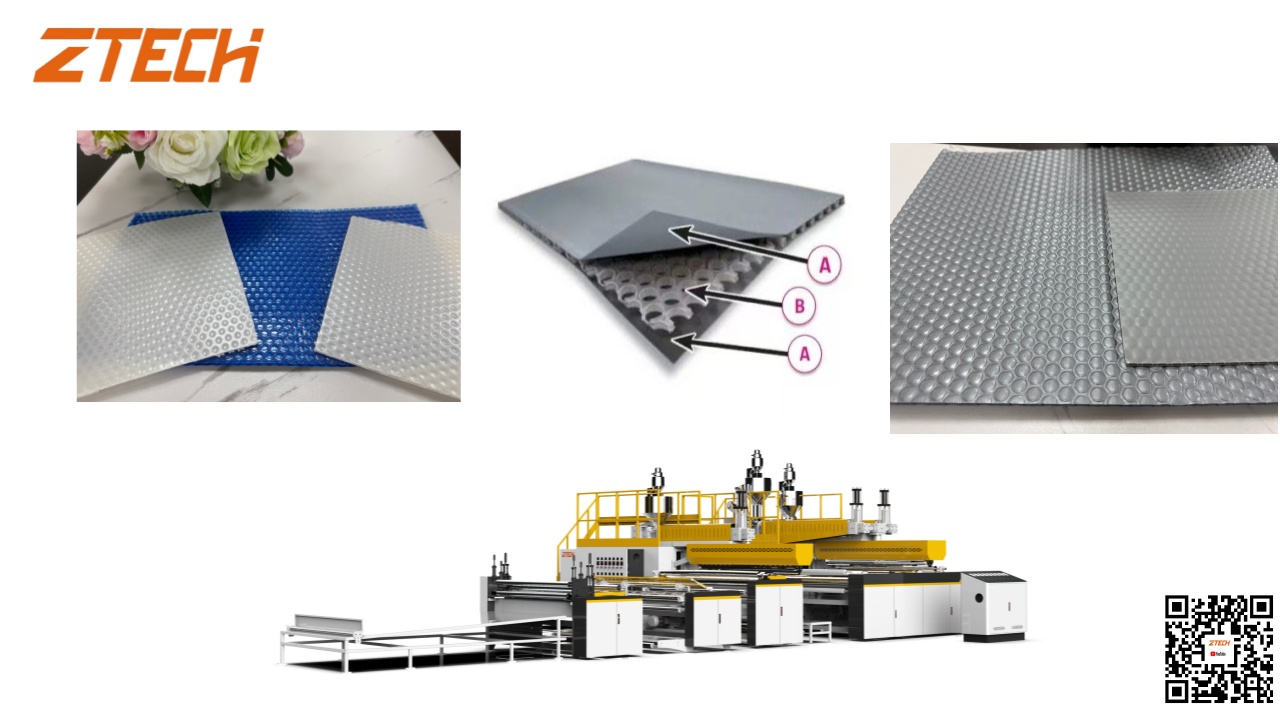
Modern air bubble film machinery is no longer limited to producing single-size products. By adjusting molds and configurations, a single bubble film making machine can produce composite bubble film ranging from 2 to 7 layers.
Multi-layer Lamination: Supports online lamination with various materials such as metallized film, kraft paper, and EPE foam, meeting the needs of different industries such as electronics, furniture, and logistics.
Customized Specifications: Precise control over bubble size, film width, and thickness is possible. This flexibility allows businesses to respond quickly to market changes and reduce equipment downtime.
High Degree of Automation
Advanced bubble film machines integrate PLC control systems and automated winding technology, greatly reducing reliance on manual labor.
Reduced Labor Costs: Automatic roll changing and automatic cutting functions mean that one operator can manage multiple air bubble film machines simultaneously.
Raw Material Savings: The precision extrusion system and T-die design ensure uniform film thickness, reducing raw material waste and thus increasing the yield of finished products per ton of raw material.
Energy Saving and Consumption Reduction
In the context of global advocacy for green manufacturing, the high-efficiency bubble film making machine is designed with energy efficiency in mind. By adopting variable frequency control and a high-efficiency heating system, the equipment maintains low energy consumption even at high speeds, helping companies reduce electricity costs.
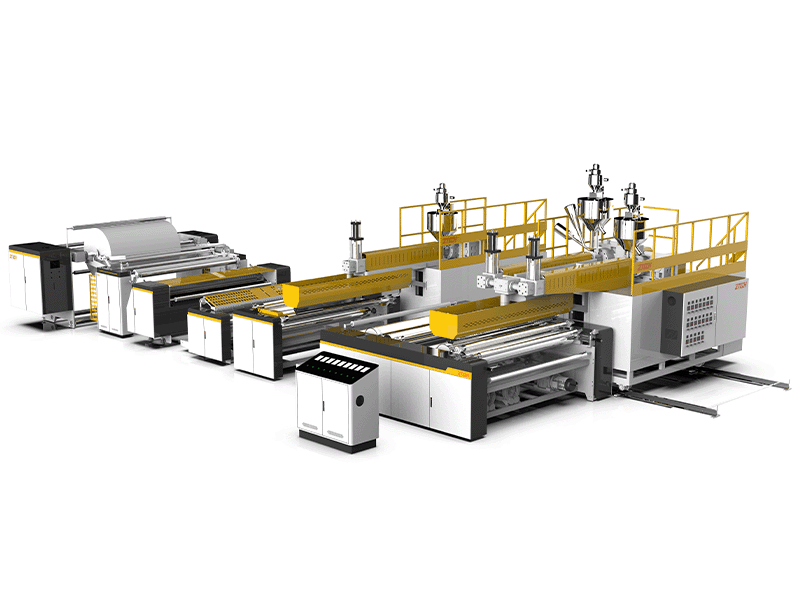
high quality air bubble film machine
Step-by-Step Operational Workflow of Air Bubble Film Machinery
Operating a complex set of air bubble film machinery requires strict adherence to standard operating procedures. From pre-start preparation to final product winding, every step determines the final product's pass rate.
Step 1: Pre-operational Preparation
Before starting the bubble film machine, a comprehensive inspection must be performed.
Raw Material Inspection: Ensure LDPE granules are dry and free of impurities. If producing colored or antistatic films, the color masterbatch or additives must be mixed strictly according to the specified ratio.
System Inspection: Check that the electrical control cabinet wiring is secure and that the air system is unobstructed, especially the water cooling circulation system. Ensure a stable water flow, as this is crucial for bubble formation.
Step 2: Heating and Temperature Setting
Temperature control is the core of bubble film making machine operation.
Preheating Process: Based on the characteristics of the raw materials, set the heating temperature for each section on the PLC touchscreen. Preheating typically requires 1-2 hours; the machine can only be started after the temperature reaches the set value and stabilizes.
Temperature Fine-tuning: Operators must monitor the melt temperature in real time to prevent decomposition due to excessive heat or poor extrusion due to excessive cold.
Step 3: Extrusion and T-Die Adjustment
Once the temperature reaches the target, start the main motor to begin extrusion.
Melt Filtration: The filter inside the extruder traps impurities. When operating air bubble film machinery, observe the pressure gauge changes and replace the filter promptly to ensure stable melt pressure.
Thickness Control: Precisely adjust the bolts on the T-die to ensure consistent film thickness. This is a crucial indicator of a bubble film machine's precision and the operator's skill level.
Step 4: Bubble Forming and Cooling
This is the most technically demanding part of the bubble film making machine process.
Vacuum Adsorption: The molten film adheres to the surface of the forming roller and is drawn into the roller's small holes by vacuum suction to form bubbles. Pressure regulation of the vacuum pump is critical at this stage; insufficient pressure will result in incomplete bubble formation.
Water Cooling System: Cooling water circulates inside the forming roller. High-efficiency air bubble film machinery must be equipped with a large-capacity cooling circulation system to ensure rapid bubble setting during high-speed production.
Step 5: Trimming and Winding
The final step is to process the continuous film into rolls.
Online Slitting: Cutters on the side of the machine trim excess edge material. Ztech equipment typically features an online edge material recycling system that directly crushes and feeds waste back to the extruder.
Automatic Rewinding: After setting the rewind length, the bubble film machine automatically flips and cuts the roll. The accuracy of the tension control system determines the flatness and tightness of the finished roll.
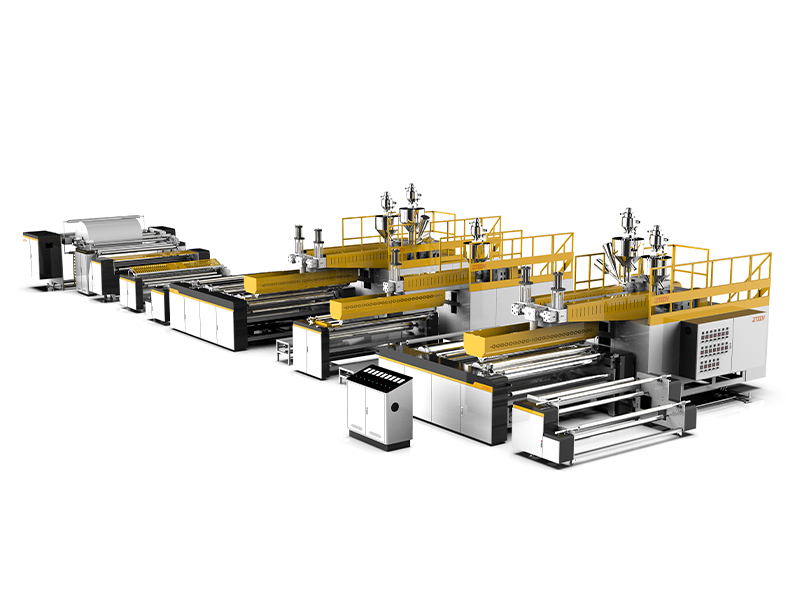
air bubble film making lamination machine
Key Tips to Improve Efficiency and Product Quality
To achieve efficient operation of a bubble film machine, basic operation alone is insufficient; optimization of details is also necessary.
Optimizing the Matching of Screw Speed and Traction Speed
When operating air bubble film machinery, the extruder screw speed determines the output, while the traction roller speed determines the film thickness.
Synchronous Adjustment: Skilled operators utilize the synchronization function of the PLC system to proportionally increase the traction speed while increasing output, maintaining stable weight.
Stability First: Avoid frequent and drastic speed adjustments; a smooth production rhythm significantly reduces the scrap rate of the bubble film making machine.
Precise Control of Cooling Water Temperature Difference
The temperature of the cooling water directly affects the transparency and hardness of the bubbles.
Chiller Support
Equip the bubble film machine with a dedicated industrial chiller. Large temperature differences exist between summer and winter; maintaining a constant temperature for the cooling rollers through temperature control valves ensures consistent product quality across batches.
Regularly clean the die head and filter. Carbon buildup in the die head or a clogged filter is a major cause of black spots on the film.
Preventative maintenance
Don't wait until product defects appear before cleaning. Establishing a regular die head cleaning schedule not only improves the appearance of your air bubble film machinery but also reduces the load on the extruder.
Maintenance Tips for Long-Term Performance
Maintenance is key to ensuring the return on investment for your bubble film making machine. Good maintenance can keep the equipment running for over 10 years.
Lubrication of the transmission system
Bubble film machines have numerous gears, chains, and reducers.
Regular lubrication: Check the reducer oil level every 2000 hours of operation and change the gear oil if necessary.
Bearing inspection: Especially the bearings of the forming rollers and the extruder spindle; regularly lubricate them with grease to prevent wear-induced equipment vibration.
Dust prevention and tightening of the electrical system
Dust is inevitable in production workshops, which can threaten the electrical control system of air bubble film machinery.
Dust Cleaning: Regularly clean the dust inside the frequency converter and PLC cabinet monthly with compressed air to prevent poor heat dissipation or short circuits.
Screw Tightening: Long-term equipment vibration may cause wiring terminals to loosen. Regularly tightening all wiring terminals can effectively prevent unexplained shutdowns.
Protection of Critical Components
The forming roller and extrusion screw are core components of the bubble film making machine and are expensive.
Preventing Hard Objects from Entering: Metal detectors must be used during material feeding. Hard metal objects are strictly prohibited from entering the extruder to avoid scratching the screw or die.
Shutdown Protection: Before long-term shutdown, empty the residue from the barrel and apply anti-rust oil.
Conclusion
By standardizing operating procedures, optimizing production parameters, and strengthening maintenance management, the performance advantages of bubble film making machines can be fully utilized. This not only improves production efficiency but also ensures stable product quality, thus gaining an edge in a highly competitive market.
When selecting equipment, partnering with a professional bubble film making machine manufacturer like Ztech is crucial. We provide not only high-performance hardware but also comprehensive technical training and after-sales support.
FAQ
Q1: Is the bubble film machine difficult to operate?
A: The overall operation is not complicated, but professional training is required to familiarize yourself with the equipment structure and parameter settings.
Q2: How to improve the production efficiency of air bubble film machinery?
A: Efficiency can be significantly improved by optimizing temperature, speed, and reducing downtime.
Q3: Which industries are suitable for bubble film making machines?
A: Widely used in e-commerce, logistics, electronic product packaging, and home appliance protection.
Q4: What is the equipment maintenance cycle?
A: It is recommended to combine routine maintenance with periodic inspections to ensure the long-term stable operation of the bubble film machine.
Q5: What if the bubble film quality is unstable?
A: Check the temperature control system, raw material quality, and equipment operating status to ensure that all parameters of the air bubble film machinery are normal.