
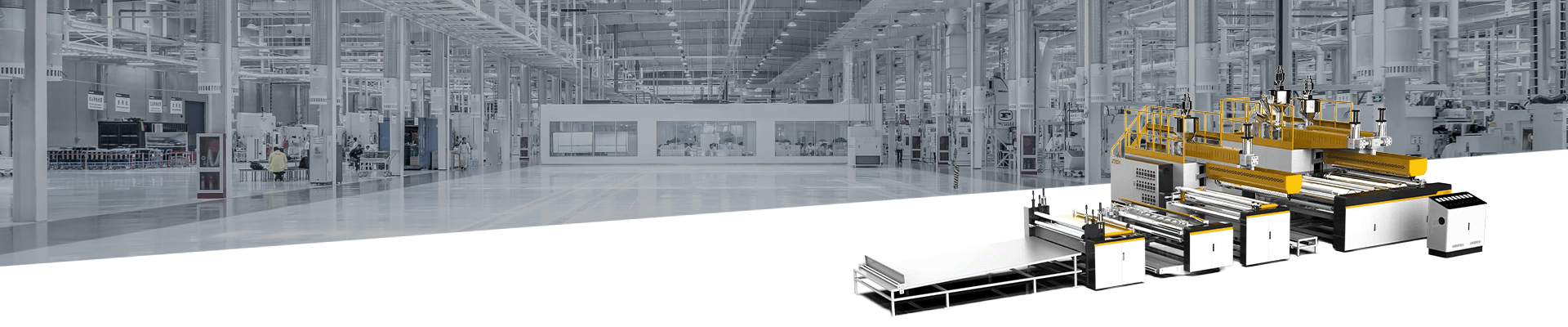
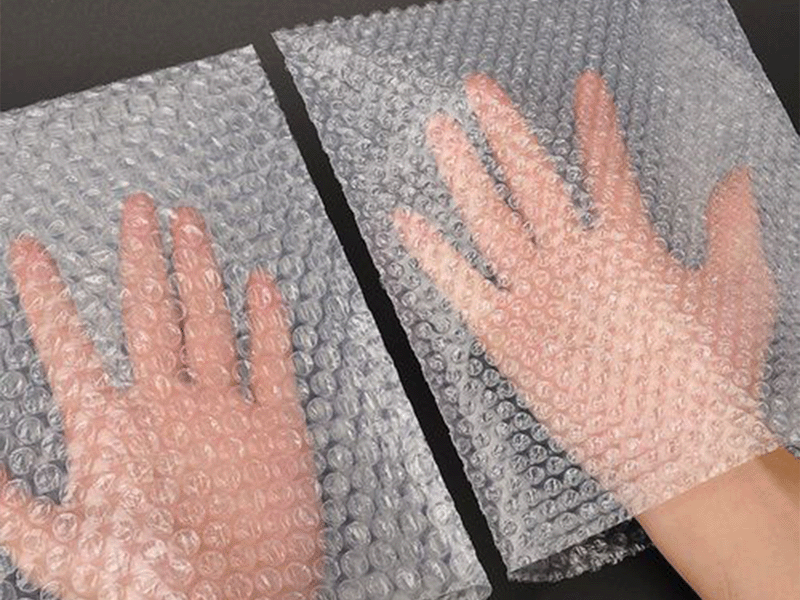
In the modern packaging industry, EPE foam bags are widely used for the transportation and protection of electronic products, precision instruments, and fragile goods due to their excellent cushioning, shock absorption, and environmental protection properties. With the increasing demand for automated production, EPE foam bag making machines are gradually becoming important equipment for enterprises to improve production efficiency and reduce labor costs. At the same time, combined with the composite processing capabilities of bubble wrap materials, bubble bag machines also occupy an important position in the packaging field.
Core Components of an EPE Foam Bag Making Machine
A high-performance EPE foam bag making machine is a complex assembly of multiple precision systems working in concert. The operational precision of each component directly affects the quality of the finished bag, especially when handling EPE material with a certain thickness and elasticity, where the stability of the mechanical structure is crucial.
Unwinding Unit
EPE foam bag making machines are typically equipped with an automatic unwinding rack capable of handling large rolls of EPE foam film or bubble wrap.
Active Unwinding and Synchronization Control: To prevent material stretching and deformation during conveying, high-quality bubble bag machines use AC inverter-controlled motors for active unwinding. This design ensures that the unwinding speed is synchronized with the subsequent bag-making speed.
Tension Control System: This is the core of the unwinding unit. Because EPE cotton is soft and elastic, excessive tension will cause the bag to shrink after forming; insufficient tension will result in uneven folds. Efficient EPE foam bag making machines employ a sensitive floating roller design or electromagnetic powder brake, with real-time feedback adjustment via PLC to maintain a constant tension output.
Folding & Positioning
Before entering the heat-sealing area, the material must be folded and aligned according to preset specifications. This step determines the bag's opening position and side neatness.
Triangular Folding Mechanism: This is a common structure in bubble bag machines. A wide single-layer roll of material is folded in half using a precisely angled triangular folding plate.
EPC System: To ensure perfect edge overlap after folding, EPE foam bag making machines often integrate ultrasonic or photoelectric sensor correction systems. Even if the original roll of material has slight uneven winding, the correction system can correct the position in real time, ensuring that the physical dimensions of each bag are highly consistent.
Thermal Sealing System
Heat sealing is the most critical step in EPE foam bag making machines, directly affecting the bag's load-bearing capacity and sealing performance.
High-Precision Heating Rod: Unlike ordinary plastic bags, EPE material and bubble wrap have a certain thickness, requiring higher and more stable heat penetration. Bubble bag machines use long-life heating rods made of copper or special alloys, which can provide a uniform heat field.
Temperature Control System: Through an intelligent temperature controller, the EPE foam bag making machine can precisely control the sealing temperature within ±1℃. This avoids scorching and perforation due to excessive temperature or weak sealing due to excessively low temperature.
Pressure Regulation and Holding: Appropriate mechanical pressure needs to be applied at the moment of sealing. The pneumatically driven sealing head can adjust the pressure according to the material thickness and maintain a short holding time in the hot-melt state, allowing the material molecules to fully cross-link, ensuring that the seal is even stronger than the original material.
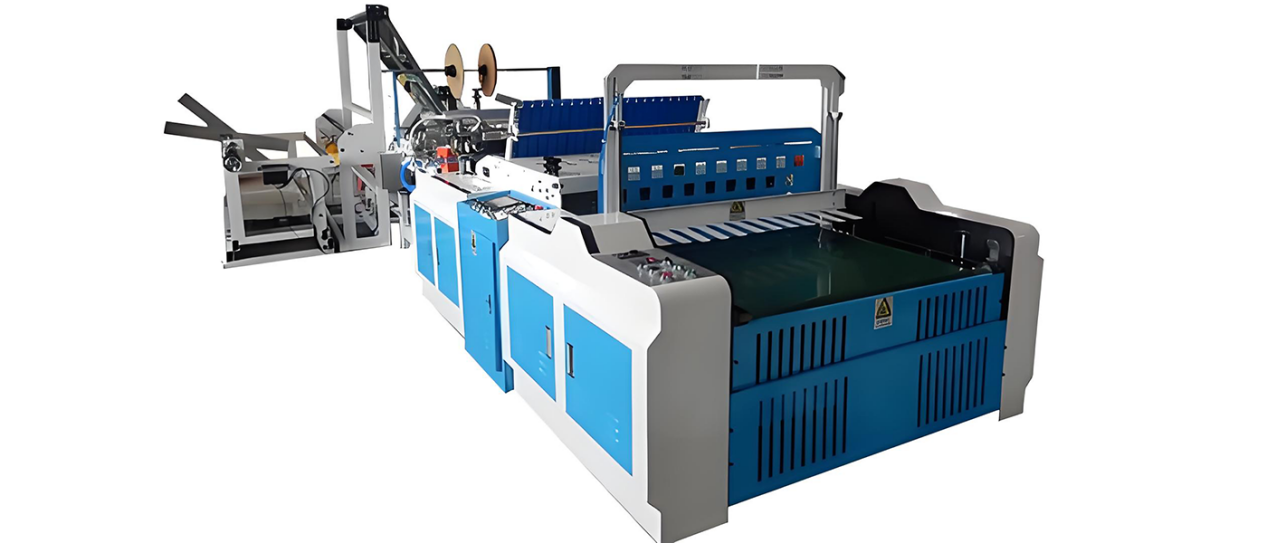
two seal side epe foam bag making machine
How the Bubble Bag Machine Transforms Raw Materials
Understanding the automated transformation process of the bubble bag machine can help production supervisors better monitor production efficiency and scrap rates. The entire production process is a highly integrated cycle.
Continuous Feeding and Sensing
Under the command of the PLC, a servo motor precisely drives the rubber rollers to feed the material forward. For rolls with printed patterns, the EPE foam bag making machine activates a color mark tracking sensor. Photoelectric sensors can identify color marks on the material and correct the feed step size within milliseconds, ensuring the cut always stays within the pattern. This is especially important when producing customized brand packaging.
Horizontal and Vertical Heat Sealing
For bubble bag machines, sealing is typically divided into Side Sealing and Bottom Sealing.
In the 2-Side Seal process, the machine primarily handles the folded sides.
The machine uses two sets of heat-sealing blades to instantly fuse the PE film layer or EPE foam layer together. To prevent material from sticking to the sealing blades, the blade surface is usually coated with DuPont Teflon.
Cold Cutting and Length Control
After heat sealing, the material needs to be cut into individual bags. EPE foam bag making machines use synchronous cold-cutting blades or rotary blades.
Length Setting: The operator simply inputs the desired bag length on the touchscreen interface, and the servo system executes it precisely.
Speed Matching: The cutting speed must be perfectly matched to the heat-sealing cycle. If the machine runs too fast and the heat-sealing time is insufficient, the sealing quality will decrease. Modern bubble bag machines can automatically adjust the ratio of these two factors to achieve optimal output.
Automatic Stacking and Counting
After passing through the conveyor belt, finished bags enter the automatic counting area. EPE foam bag making machines can be set to batches of 20 or 50 bags. The machine automatically marks or kicks out bags, facilitating manual packing and significantly reducing labor intensity.
Side vs 3-Side EPE Foam Bag Making Machine
When choosing a suitable EPE foam bag making machine, businesses must clearly define their product sealing requirements. Based on the number of sealing edges, machines are divided into two main models: Two-seal side and Three-seal side.
Side Seal
Two-side sealing equipment is currently the mainstream configuration in the bubble bag machine market.
Working Mode: It typically uses tubular material or rolls folded in half by a triangular plate. Since the bottom is already the folded edge of the material itself, the machine only needs to seal and cut the left and right sides.
Advantages: Extremely high production speed, relatively simple structure, suitable for large-scale production of standard-sized express bubble bags.
Application Scenarios: Widely used in the production of protective bags for electronic products, cosmetics, and books. If you are looking to maximize output per unit time, this type of EPE foam bag making machine is ideal.
3-Side Seal
3-Side Seal EPE Foam Bag Making Machine offers greater flexibility and a stronger sealing structure.
Working Mode: It can use two independent rolls of single-layer material stacked on top of each other. The machine needs to handle the bottom and two side sealing simultaneously.
Advantages
Wide material compatibility: Can use two rolls of material of different colors and thicknesses.
High tear resistance: Three sides are heat-sealed, resulting in a more robust bag structure, suitable for packaging heavy industrial parts.
Multi-functional integration: This type of bubble bag machine is often easier to add zippers or gussets.
Challenges: Due to the increased sealing action, its production speed is typically slightly slower than double-sided sealing machines, and it requires higher synchronization of heat sealing pressure.
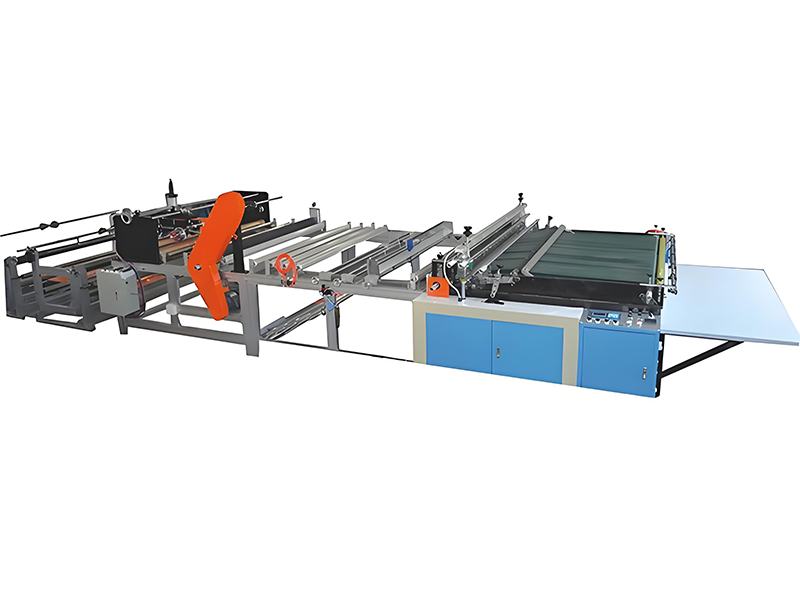
three seal side epe foam bag making machine
Regular Maintenance is Vital for Your EPE Foam Bag Making Machine
To extend the lifespan of your EPE foam bag making machine and maintain its high efficiency, routine maintenance is absolutely essential. Lack of maintenance can lead to sealing leaks, increased dimensional deviations, and even mechanical failures and shutdowns.
Regular Cleaning of Heating Wires and Sealing Blades
As the core heat source of the bubble bag machine, the cleanliness of the heating wires and sealing blades directly affects heat transfer efficiency.
Residue Removal: In high-temperature environments, trace amounts of PE residue may adhere to the blades and carbonize. If not cleaned promptly with a copper brush, this carbon buildup will cause uneven heating at the sealing point.
Teflon Tape Replacement: The heat insulation cloth covering the heating element needs regular inspection. Once worn, it must be replaced immediately to prevent material from directly contacting the heating wire and causing it to burn out.
Lubrication of Mechanical Transmission Components
Smooth mechanical movement is fundamental to ensuring the precision of your EPE foam bag making machine. Chains and Gears: Due to the extremely high operating frequency of the bag-making machine, the drive chains and gears wear out quickly. The lubricating oil level should be checked weekly to ensure the transmission system is free of abnormal noise.
Sliders and Guide Rails: The lifting slides of the cross-cutting knife and heat-sealing knife require lubrication. This not only reduces the motor load but also improves the cutting accuracy of the bubble bag machine at high speeds.
Monitoring Sensor Sensitivity
Modern EPE foam bag making machines rely heavily on sensor feedback.
Photoelectric Eye Calibration: If producing patterned bags, dust on the photoelectric eye surface can interfere with its recognition of color marks, leading to uncontrolled bag length. It is recommended to wipe it with a soft cloth before the end of each shift.
Proximity Switch Check: Loose proximity switches monitoring the extreme positions of various parts of the machine may cause mechanical collisions. Regularly tightening these small parts is key to preventing major accidents.
Temperature Control Calibration: Regularly use an external thermometer to verify that the temperature displayed on the bubble bag machine's screen matches the actual cutter head temperature to ensure the accuracy of the temperature control system.
Conclusion
In summary, the high efficiency of the EPE foam bag making machine stems from its sophisticated feeding system, precise positioning mechanism, and scientific heat-sealing process. Whether it's a two-side-sealing machine pursuing high output or a three-side-sealing machine pursuing multi-functionality, the core lies in the perfect control over the physical properties of the materials.
As a leading global packaging machinery manufacturer, Ztech is committed to developing smarter and more energy-efficient bubble bag machines.