

Preparing an RFQ for a PP hollow board production line starts with defining the board you plan to make and the project behind it. The more clearly you set out the intended application, finished-board requirements, downstream handling, and known project conditions, the more focused the first technical exchange with ZTECH can be. The line name provides a starting point, but it does not replace these project inputs.
This checklist helps a purchasing, production, or project team organize the information already available. It is not a machine specification, a quotation, an acceptance standard, or an installation guide. Its purpose is to separate confirmed requirements from open questions.
Why a Product Name Alone Is Not Enough for an RFQ
“PP hollow board production line” is a useful starting point, but it is not yet a complete RFQ. Different projects may have different finished-board descriptions, application conditions, product mixes, handling methods, and internal planning assumptions. If those points are not stated, the first discussion often has to begin by clarifying basic context that the buyer may already know.
A stronger RFQ does not require every answer to be final. It should show three things clearly:
- What the team has already confirmed.
- What supporting material is available now.
- What still needs to be discussed or decided.
Treat estimates and requested properties as project inputs, not confirmed equipment solutions. Mark every unresolved point as an open question for the next technical conversation.
Separate Confirmed Requirements From Open Questions
Before preparing the RFQ, create two working lists. The first list contains information supported by current project documents, samples, drawings, internal decisions, or operating requirements. The second contains items that are still under review.
For example, a team may know the intended end use and have a reference sample, while the final product mix or downstream handover method is not yet confirmed. Both facts are useful. The RFQ should not hide the uncertainty. It should state what is known and ask the supplier which additional information is needed to continue the discussion.
Product Specifications to Prepare Before Contacting a Supplier
The product section should describe the finished board and its use. It does not need to become a general description of PP hollow board technology. Keep the focus on the particular product your project intends to make.
Intended Application and Finished-Board Use
Start with the job the finished board must perform. Describe the intended end use, the item or process the board will support, and any relevant handling context. Where a customer requirement, internal product brief, or sample explains the intended use, attach or summarize the relevant part. If the end use remains under review, identify the decision owner.
Useful inputs may include:
- A short description of the intended end use.
- The product or handling situation the board must support.
- A reference sample, photo, drawing, or approved internal product brief, if available.
- Any known downstream processing or handover requirement.
Board Structure, Dimensions, and Visual Requirements
Next, collect the finished-board details that are already defined. This may include the project’s own description of the board structure, required dimensions, cut format, color, surface appearance, marking, or other visual requirements. Use the same units and document version that the project team is already using. Where drawings or samples exist, identify them clearly so that the supplier can connect the written RFQ to the correct reference.
Do not fill gaps with assumed values. Label any unfinished dimension, tolerance, visual criterion, or sample reference as pending. List planned board variants separately rather than combining them into one unclear requirement.
Material, Requested Properties, and Downstream-Processing Inputs
Provide any material information already approved by the project team. Describe a special property as a project request, not as an equipment capability or guarantee.
Also describe downstream-processing information that is known. This can include whether the board will be cut, printed, treated, packed, transferred, or handled in another defined step. The goal is to communicate the finished-product path, not to prescribe a machine configuration.
For each item, use one of three labels:
- Confirmed project input.
- Reference material available.
- Open question for technical discussion.
This simple structure prevents a shopping list of vague features from replacing real project information.
Project Inputs That Shape the Production-Line Discussion
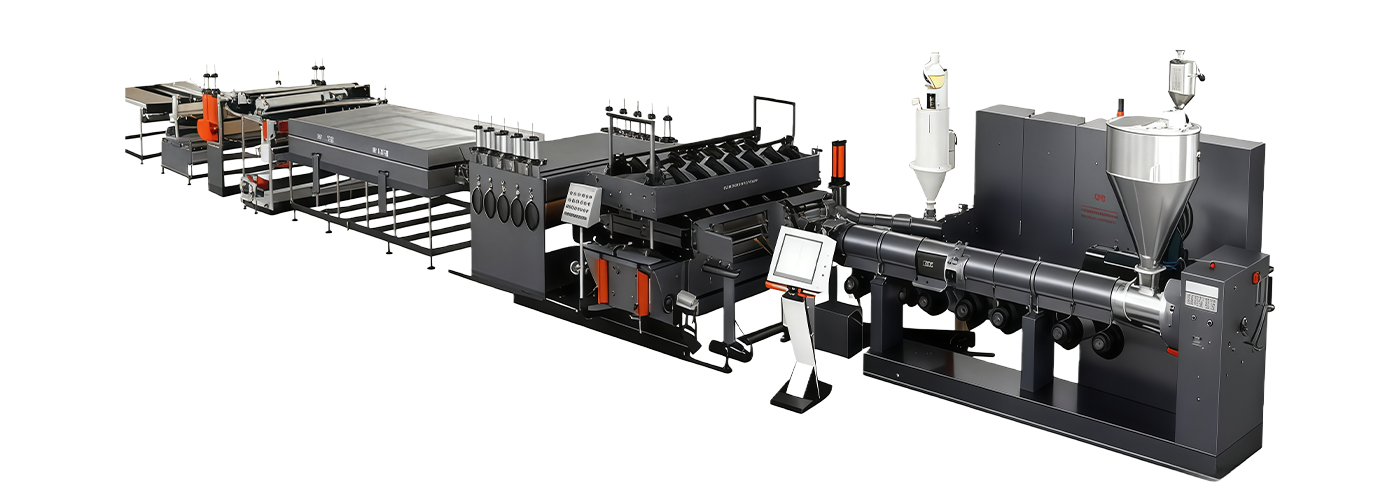
PP Hollow Board Production Line in a factory setting; use site and downstream information to frame the RFQ conversation.
Product inputs explain what the team wants to make. Project inputs explain the context in which the team is planning to make it. Both are useful in a first technical exchange with ZTECH.
Planned Product Mix and Project Planning Basis
State the planned product mix in the terms currently used by your team. If the project includes more than one finished-board type, identify the variants and explain whether they are expected at launch, planned for a later phase, or still under evaluation.
If the RFQ includes a quantity target, planning volume, schedule assumption, or internal output objective, state the time basis and assumptions behind it. Treat it as an internal planning input, not as claimed equipment output or a guaranteed result; this gives the supplier context for useful follow-up questions.
Known Site and Workflow Constraints
Share the site and workflow information that the project already has. A simple layout sketch, material-flow note, finished-board handling description, or project-stage summary can be more useful than a long narrative. The purpose is to identify known constraints and handover conditions, not to design utilities, installation, or site systems in the RFQ article.
If the layout is preliminary, mark it as preliminary. If the project team does not yet have a relevant document, say that the item remains open. This is preferable to making an assumption about space, site conditions, or workflow arrangements.
Finished-Board Handling and Downstream Handover Requirements
Describe what happens after the finished board leaves this part of the workflow. Who receives it? Is it moved to an existing process, a planned operation, storage, packing, or another internal handover? Are there manual and automated boundaries that the project already knows about?
Keep this part focused on the required handover outcome. Do not use it to explain equipment modules or assume how the production line will perform a particular operation. If the downstream route is not final, identify the alternatives and list the decision as an open item.
Documents and Materials That Make the First Technical Exchange More Useful
An RFQ becomes easier to review when its attachments are organized and identified. Send only information that the project is permitted to share. Use clear file names, document dates or revision labels, and units that match the written request.
A Practical RFQ Attachment List
The following materials can be useful when they are available:
- Finished-board photos or sample information.
- Dimension drawings or existing specification sheets.
- Material notes already approved for the project.
- A short description of the intended application and downstream process.
- A preliminary site or workflow sketch.
- A list of open questions and the relevant internal contact or decision owner.
Each attachment should be linked to a line item in the RFQ. For example, if a drawing applies only to one product variant, name that variant in both the attachment and the RFQ. If a photo is only illustrative, label it that way. Clear identification prevents an early reference from being mistaken for a final specification.
Questions to Put in the RFQ Instead of Assumptions
Use the RFQ to ask focused questions where the project lacks a confirmed answer. A useful question identifies the missing input and the decision it affects. It does not assume a model, configuration, performance level, or commercial outcome.
Examples of useful question formats include:
- Which additional finished-board details are needed to continue the technical discussion?
- Which existing drawings, samples, or material notes should be reviewed first?
- Which project inputs remain necessary before a supplier can discuss a suitable solution scope?
- Which downstream handover details need to be confirmed by the project team?
These questions keep the first exchange practical. They also make it easier for a purchasing team to coordinate with production, engineering, product, or downstream colleagues before the next discussion.
Use the Checklist to Start a Focused RFQ Conversation
Before sending the RFQ, review it as one package. Separate finished-board inputs, project context, attachments, and open questions; mark preliminary information clearly, and link every drawing, sample, photo, or internal document to the relevant request item.
Then submit the documented requirements and unresolved questions. A focused RFQ gives the supplier a clearer starting point for technical exchange and gives your team a structured way to collect the next decisions. For a PP hollow board production line inquiry, review the PP Hollow Board Production Line page and share the relevant material with ZTECH.