5-Layer vs 7-Layer Bubble Film Machine: When Is Each Needed?
Compare five- and seven-layer bubble film lamination routes by finished product and downstream converting.
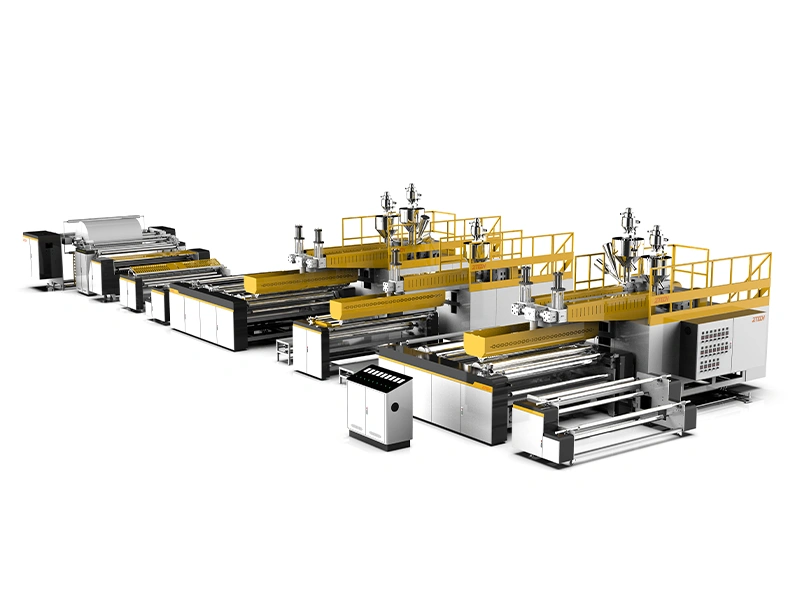

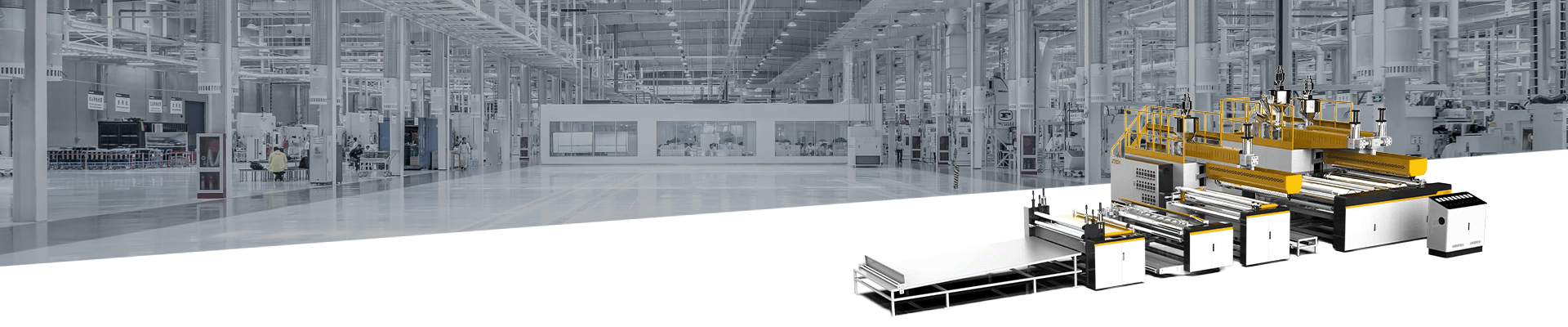
Explore practical guidance on air bubble film machinery and production—from film structures and material selection to output planning, thickness control, automation and equipment selection. Use the articles below to compare production approaches, narrow down relevant machine configurations and prepare clearer technical requirements.
ZTECH supplies standard air bubble film machines, ABA co-extrusion lines and nylon co-extrusion systems, with project experience in recycled and degradable materials, high-speed production and automation options.
Compare five- and seven-layer bubble film lamination routes by finished product and downstream converting.
Record observable issues, production context, and existing supporting materials before contacting technical support about bubble film production.
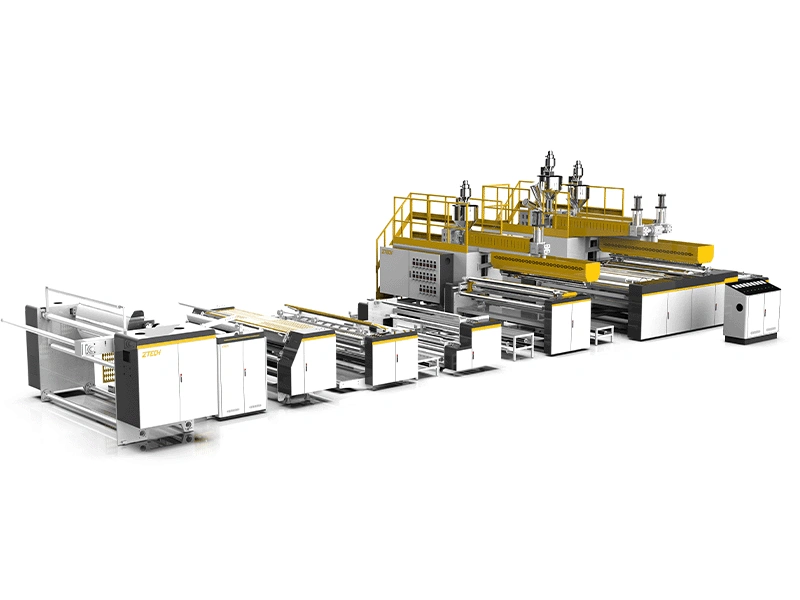
Compare ABA structures and nylon co-extrusion systems for bubble film route selection.
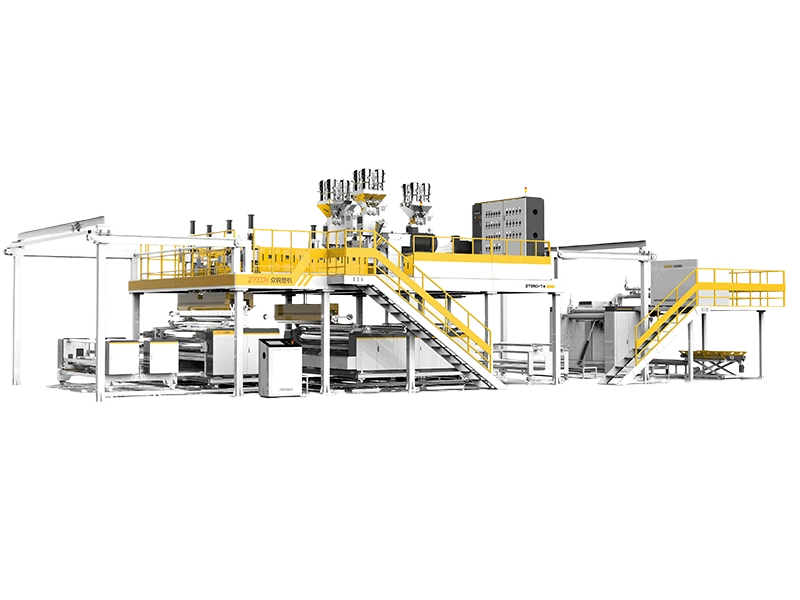
Learn how to choose the right bubble wrap machine for your production with practical guidance on layers, output, materials, factory requirements, ROI, and supplier support.
Learn how to calculate bubble film machine output in kg/h, rolls/day and tons/month, with practical formulas, efficiency factors and capacity test tips.
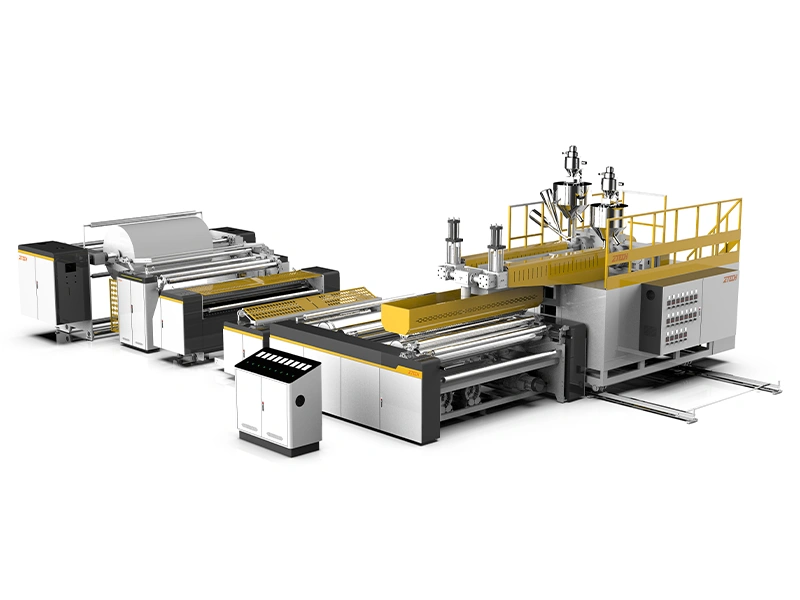
Learn how to measure bubble wrap thickness, diagnose uneven film, and tune extrusion, vacuum forming, cooling, lamination and winding for consistent industrial packaging.
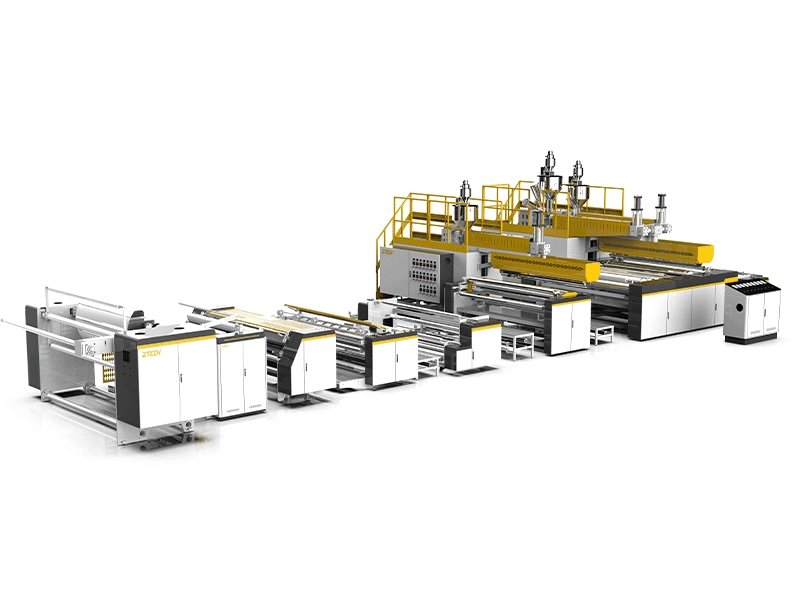
Choose the right industrial bubble wrap machine width by matching finished rolls, trim allowance, winding and downstream converting to reduce waste.
Verify saleable output, film quality, winding, safety and documents before shipment with this practical air bubble film machine FAT checklist.
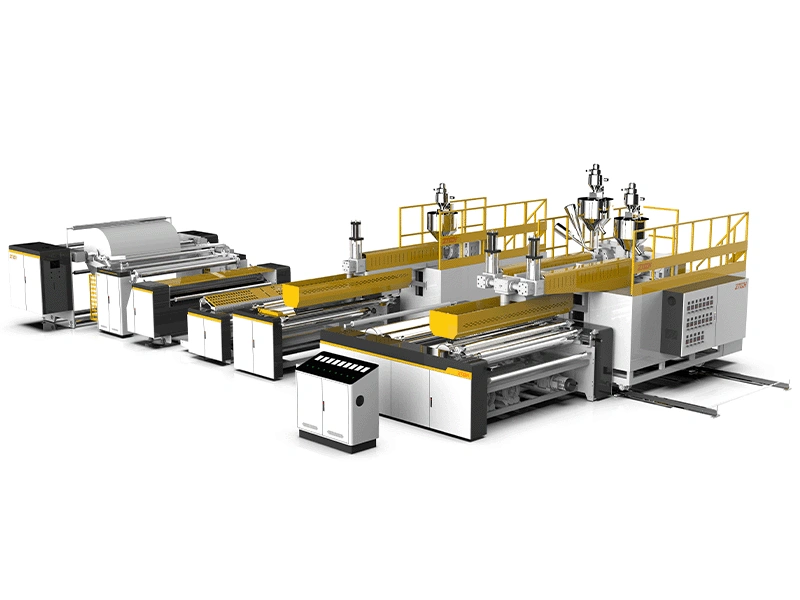
Plan an air bubble film machine layout for safe access, utilities, roll handling and future expansion. Use this checklist before installation.
These projects show how material requirements, film structure and automation needs are matched with practical air bubble film line configurations.
Requirement
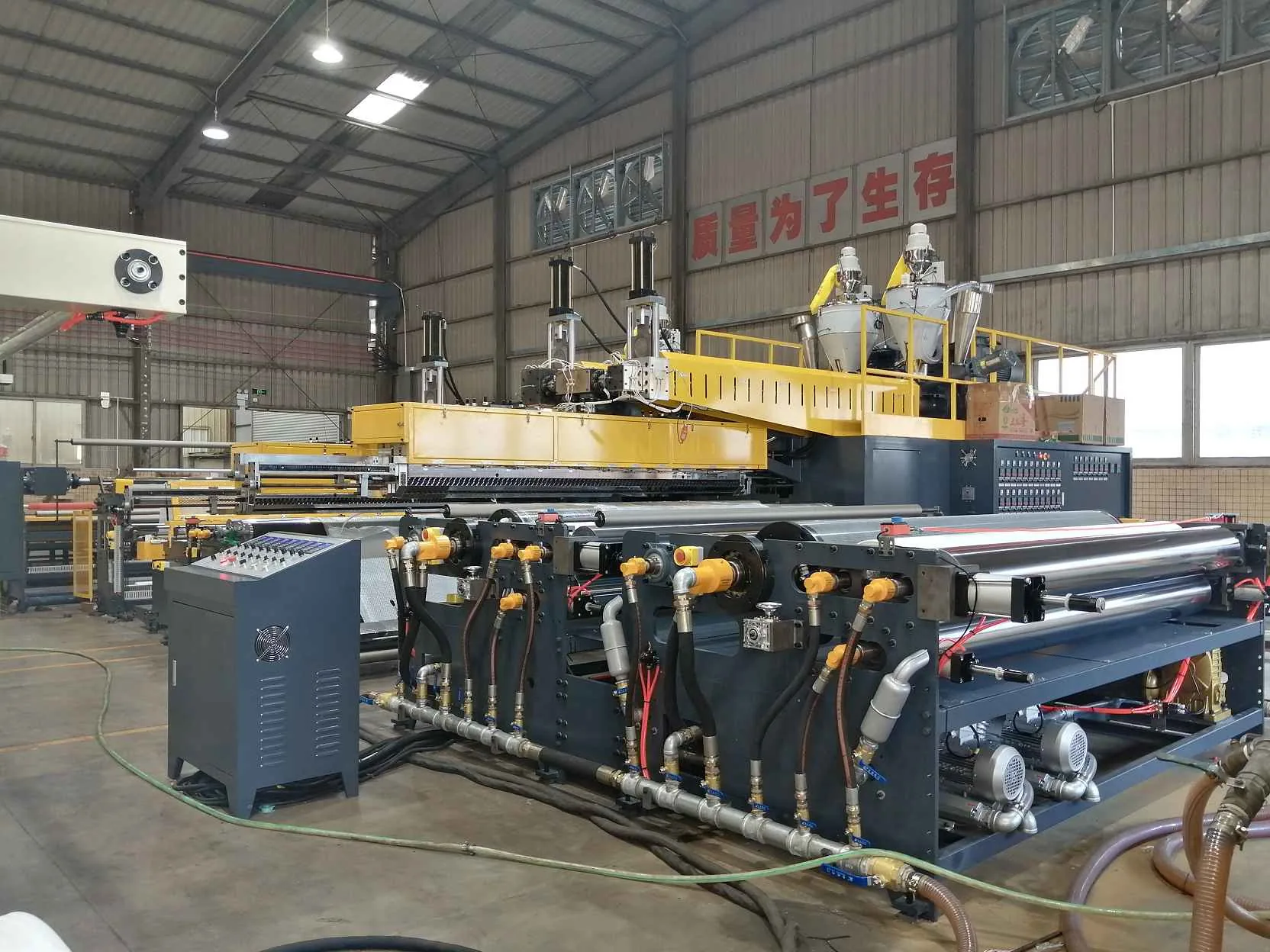
An Indian customer needed to produce 2.5 m bubble film sheets using 100% PP or recycled materials. The project required reliable material processing, consistent thickness across the full working width and stable bubble formation for subsequent sheet production.
Solution
ZTECH optimized the screw structure to ensure stable plasticization and uniform extrusion of 100% PP and recycled materials. A high-low dual T-die, together with an optimized melt-flow channel and cooling path, was used to improve thickness consistency and cooling efficiency across the 2.5 m width.
Result
The completed solution met the customer’s 2.5 m sheet-production requirement and supported bubble film production across a 30–1000 GSM range, with consistent bubble structure and finished-sheet quality.
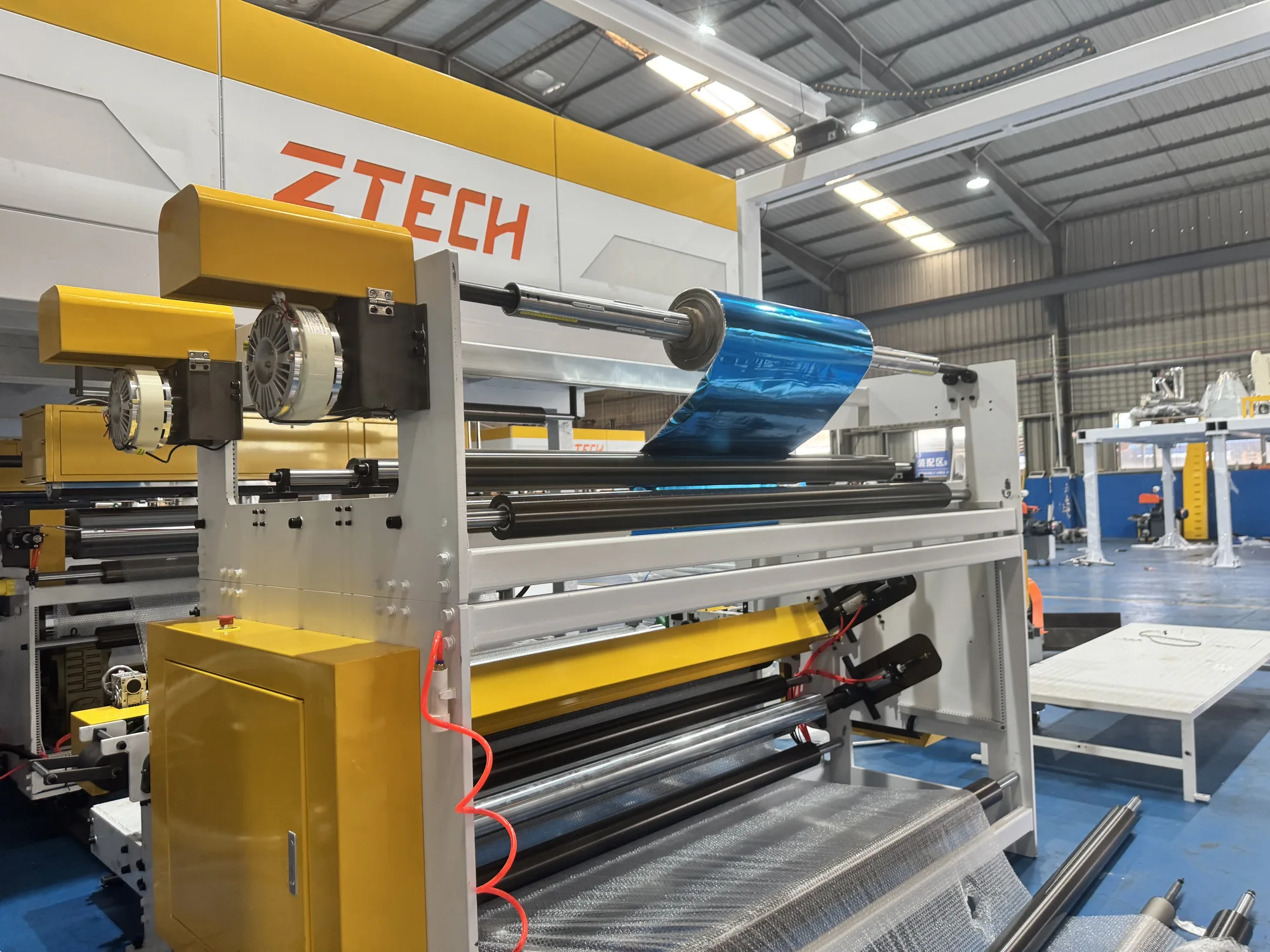
Requirement
A US customer required a ZT185-5COX bubble film line to laminate ABA bubble film with aluminum film. The project placed particular emphasis on finished-film stiffness, hand feel and production speed, with 60 m/min as the target production speed.
Solution
ZTECH applied a PE + PP/HDPE + PE ABA co-extrusion structure in both the bubble layer and base layer. This three-in-one structure was selected to improve film rigidity and hand feel while supporting the aluminum-film lamination process. After its 2023 upgrade, the ABA machine can reach 85 m/min, providing capacity margin above the customer’s target speed.
Result
The ZT185-5COX line met the customer’s requirements for laminating ABA bubble film with aluminum film, as well as for finished-film stiffness and hand feel. It met the 60 m/min production target, while its 85 m/min maximum capability provided margin for stable operation.
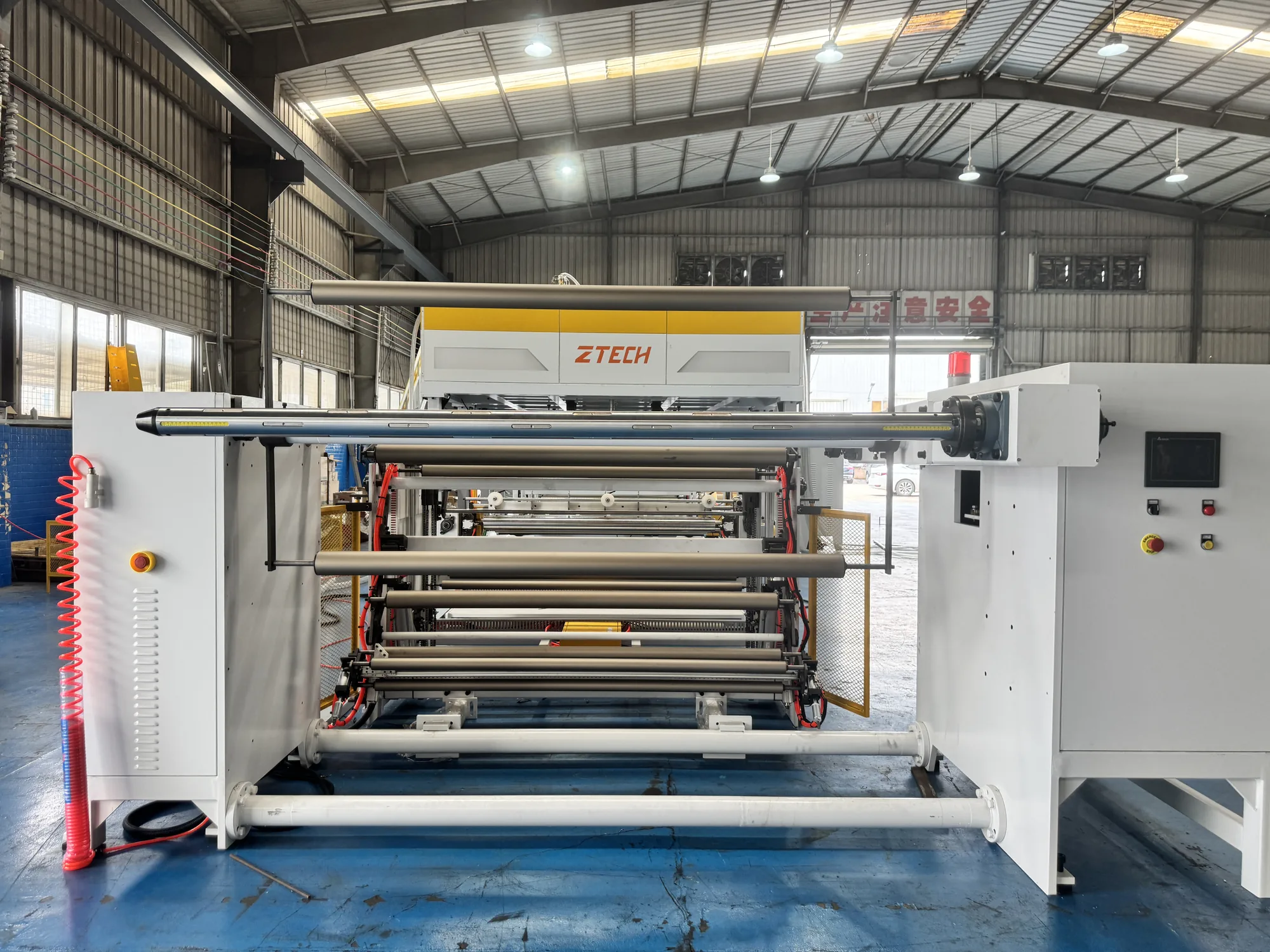
Requirement
A repeat customer in Turkey needed a 5-layer bubble film line with specific requirements for the winding system.
Solution
For this repeat purchase, the customer selected ZTECH’s ZT160-5T 5-layer bubble film line. To meet the specified winding requirements, ZTECH configured it with a friction-type automatic winder for coreless rolls up to 1000 mm in diameter, while retaining stable 5-layer bubble film production.
Result
The completed line met the customer’s 5-layer production and finished-roll requirements, with stable coreless winding and reduced paper-tube use.
Explore standard, lamination and co-extrusion line options for different film structures and production requirements.
View the full ZTECH range of air bubble film production lines.
5 Layers Air Bubble Film Making Lamination Machine
For in-line lamination with kraft paper, aluminum foil, EPE foam or PE film.
7 Layers Air Bubble Film Making Lamination Machine
For 7-layer bubble film and in-line lamination configurations.
ABA Coextrusion Air Bubble Film Machine
For PE + PP/HDPE + PE ABA bubble film structures where greater film stiffness and a firmer hand feel are required.
Nylon Coextrusion Air Bubble Film Machine
For nylon co-extrusion structures where longer bubble air retention is required.
Plastic resin is melted and extruded into film layers. Vacuum forming creates the bubble profile, which is bonded to a flat base layer, cooled and wound into rolls.
Two-layer film combines a bubble layer with one flat base layer. Three-layer film adds another flat layer, which can provide more formulation flexibility and may improve surface finish or puncture resistance.
Consider these lines when bubble film must be laminated with materials such as kraft paper, aluminum foil, EPE foam or PE film. Define the material sequence and bonding requirements first.
ABA structures use PE with PP or HDPE to increase film stiffness. Nylon co-extrusion adds nylon and tie layers when longer bubble air retention is required.
Compare qualified kg/h under the same film specification, including working width, GSM, film structure, stable speed and expected quality yield. Peak speed alone does not show saleable output.
It may be used in suitable formulations, but material cleanliness, melt consistency, filtration and finished-film requirements should be assessed before production.