
When a bubble film production result looks different from what the team expected, the first useful step is to create a clear record of what has been observed. That record gives a technical conversation a shared starting point. It also keeps observed facts separate from assumptions about why the issue may have occurred.
This checklist is for organizing information before a technical discussion. It is not a troubleshooting guide, a machine-adjustment procedure, or a maintenance instruction. The goal is simply to make the production context easier to explain.
Describe the Observable Issue Without Presuming the Cause
Start with the result that can be seen, identified, or compared. Describe what is different in the finished film, the roll, or the production result without naming a cause. A clear description may include the product involved, the visible change, whether the condition appears throughout the relevant material or only in a limited area, and whether it appeared continuously or intermittently.
Keep the language factual. For example, it is more useful to state when the team first noticed a change and which material or production result it affected than to label the change as a particular machine or material problem. A technical conversation can then begin with the same observed information rather than with an untested explanation.
It also helps to distinguish between three kinds of statements:
- What the team has directly observed.
- What is not yet known.
- What the team would like to clarify in a technical discussion.
This separation is especially useful when more than one person has seen the issue at different times. It prevents notes from turning a possible explanation into a reported fact.
State What Changed in the Finished Film or Production Result
Use the finished film or production result as the reference point. Identify the relevant product, roll, sample, or batch as precisely as the existing records allow. Then describe the difference in ordinary production language. The record does not need to diagnose the difference or explain how to correct it.
If the issue is visible only on some material, note the known extent. If it appears at more than one point in the production history, note the sequence as it is known. Do not fill missing details with estimates after the fact. A short, accurate record is more useful than a detailed account that blends observations with recollection.
Note When and Where the Issue First Appeared
Time and context often make a report easier to follow. Record when the condition was first noticed, what product or batch was involved, and which production stage was relevant at that time. If the team cannot identify an exact start point, say so clearly rather than presenting an assumption as a confirmed timeline.
The same approach applies to location. A note can identify the relevant section of the production result or the point in the workflow where the observation was made, without turning that note into a conclusion about a component or process cause.
Record the Machine, Film and Production Context
An issue description is easier to understand when it includes the surrounding context. Before contacting technical support, gather the identification information already available for the relevant machine, film, product, and production run.
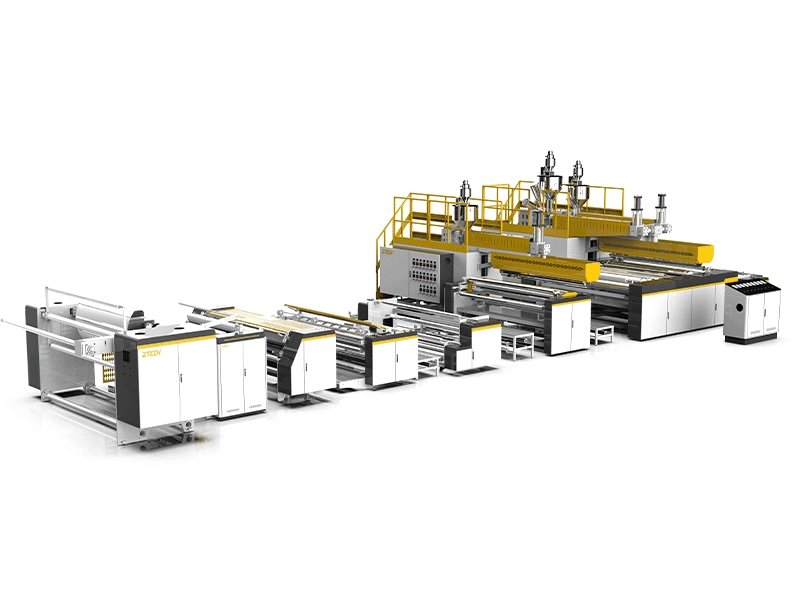
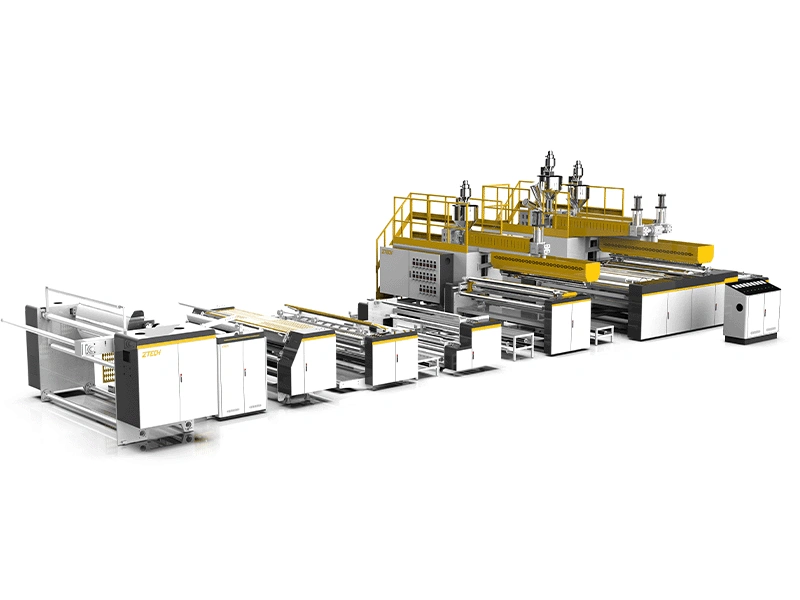
A production-line reference visual for the equipment context described in this checklist. Explore Air Bubble Film Machinery
This is not a fixed ZTECH form or a list of mandatory fields. It is a practical way to make sure that a conversation does not begin with an isolated description that lacks context.
Identify the Relevant Machine and Product
Have the available machine identification, product description, and related roll, sample, order, or batch identifiers ready. If the work concerns a particular finished structure or downstream product, include the name used by the production team for that product.
The purpose is to connect the observation to the correct production context. It is not necessary to reinterpret the information or turn it into a configuration recommendation. Use the terminology that appears in the team’s existing records, labels, or documentation where possible.
Separate Known Context From Assumptions
Production teams often have useful context that is not yet a confirmed explanation. Keep it in a separate part of the record. For example, the report can identify a recent event in the production timeline as context while leaving the technical significance of that event open for discussion.
This creates a clearer handoff: the receiving technical contact can see the observed issue, the known background, and the questions the team wants to resolve. No one needs to treat a preliminary assumption as a diagnosis.
Prepare Supporting Records for a Technical Conversation
Existing records can make a technical conversation more efficient because they reduce the need to reconstruct basic facts from memory. Gather only material that already exists and is relevant to the issue. The aim is not to create a new testing program or ask the production team to perform additional checks.
Useful supporting material may include existing production notes, product or batch identifiers, retained samples, photographs, videos, and a simple timeline. Each item should remain connected to the product and time period it represents.
Use Existing Records Before Recreating Information
Start with records already used by the production team. A batch label, a production note, a retained sample identifier, or a previously recorded timeline can all provide context. Preserve the original meaning of those records rather than rewriting them into a technical conclusion.
If some information is unavailable, mark it as unavailable. That is more useful than recreating a record from uncertain memory. The objective is a transparent conversation record, not a complete explanation before the discussion begins.
Keep Photos and Video Tied to Time and Product Context
Photos and video can be helpful when they are clearly connected to the relevant product or event. Note what each file shows, which product or sample it relates to, and when it was captured if that information is known. A simple file name or accompanying note can keep visual material from becoming detached from its production context.
Images and video should document what the team observed. They should not be treated as proof of a particular cause, and this article does not direct anyone to open equipment, change a setup, or create special footage.
Use Existing Guides for Focused Follow-Up
This checklist helps define the subject of a conversation; it does not replace the site’s separate educational content on operation and maintenance. When a reader needs background on those established topics, the bubble film machine operation guide and bubble film machine maintenance guide are available as focused reading.
Use those resources to understand their stated topics, not as a reason to turn this checklist into a do-it-yourself response plan. The information record should remain centered on what was observed and what needs clarification.
Bring the Record to a Technical Conversation
Before reaching out, organize the information into a short sequence:
- The observable issue.
- The relevant machine, product, and production context.
- When the issue was first noticed and its known scope.
- The records, samples, photographs, or video that already exist.
- The questions the team would like to clarify.
This sequence is a suggested way to communicate clearly, not a required service ticket or a statement of any support process. It keeps the conversation anchored in known facts and makes it easier to identify what information remains open.
Conclusion
Clear records do not replace technical judgment or a site-specific assessment. They do, however, give a technical conversation a better starting point. Describe the observable issue, attach it to the correct machine and product context, retain the relevant time and batch information, and keep existing supporting material together.
If you would like to discuss a bubble film production issue with ZTECH, contact ZTECH with the record you have assembled.
FAQ
Should this checklist be treated as a ZTECH service ticket?
No. It is a suggested way to organize information before a technical conversation. It does not represent a fixed ZTECH form, a mandatory field list, or a statement of service terms.
Do I need to identify the cause before contacting technical support?
No. Record what has been observed and identify what is still unknown. The purpose of the checklist is to keep observations separate from assumptions about cause.
What if some production information is unavailable?
State that the information is unavailable. A clear record of what is known and what is not known is more useful than a reconstructed explanation based on uncertain memory.
Are photos or video required?
No. They can be useful supporting records when they already exist and can be connected to the relevant product or time period. They are not a required submission and should not be treated as proof of a cause.
Does this article explain how to correct a production issue?
No. Its role is to help prepare factual information for a technical discussion, not to tell readers how to address a production condition.