
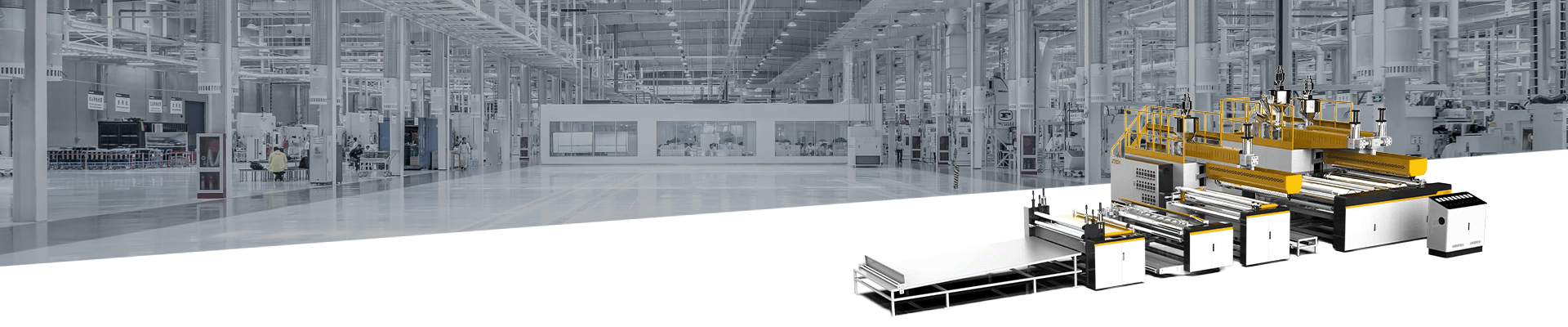
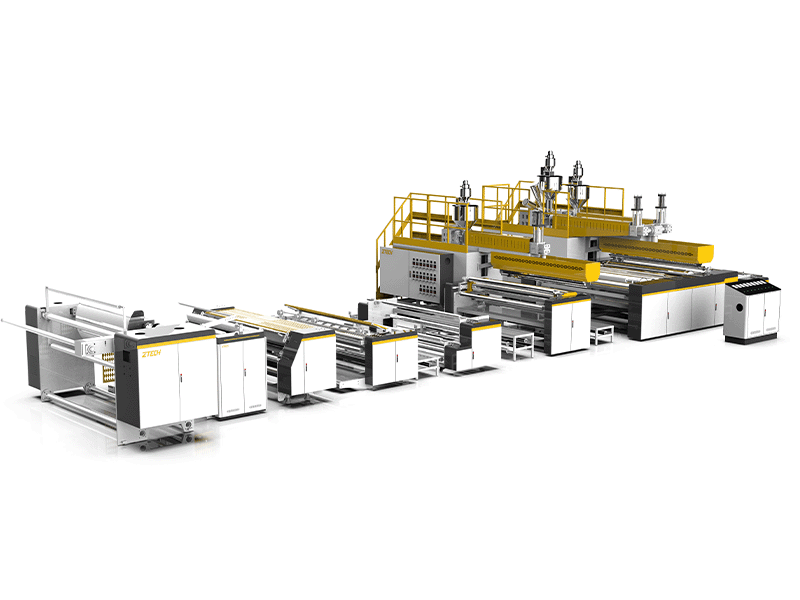
In the modern packaging industry, air bubble film machines have become essential equipment for companies to improve production efficiency and product protection. Whether for electronic products, logistics, or precision instrument packaging, bubble film plays an irreplaceable role. The long-term stable operation of a high-performance bubble film machine largely depends on the level of daily maintenance and management.
This article will focus on how to scientifically maintain an air bubble film making machine, providing a systematic analysis from understanding the equipment structure, key points of daily maintenance, maintenance of core components, to solutions to common problems. This will help companies extend equipment lifespan, reduce failure rates, and achieve more efficient production operations.
Understanding the Structure of a Bubble Film Machine
A standard bubble film machine typically consists of multiple systems working together, each crucial for stable operation.
1. Extrusion System
The extrusion system is the core of an air bubble film machine, mainly consisting of a screw, barrel, and heating system. Its function is to uniformly heat the plastic raw material and extrude it into a film.
•The screw is responsible for conveying and plasticizing the raw material.
•The barrel provides a stable heating environment.
•The temperature control system ensures stable material processing.
2. Forming System
In an air bubble film making machine, the forming roller determines the integrity and uniformity of the bubble structure.
•The die and forming roller form the bubble structure.
•The cooling system helps with rapid shaping. The pressing device ensures bubble sealing.
3. Traction and Winding System
This system is responsible for the stable conveying and neat winding of the formed bubble film.
•Traction speed determines production efficiency.
•Winding tension affects the neatness of the finished product.
4. Electrical Control System
Modern bubble film machines are usually equipped with an automatic control system for regulating temperature, speed, and pressure.
• High degree of automation
• Improved production stability
• Reduced human error
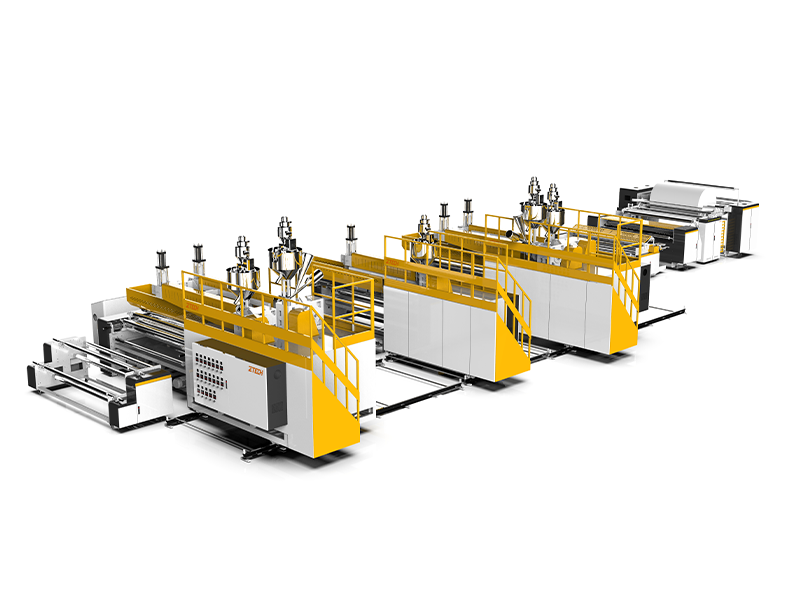
7 layers air bubble film making lamination machine
Daily Maintenance of Bubble Film Machine
By dedicating a small amount of time each day to routine checks, serious and sudden malfunctions in the bubble film machine can be avoided.
Pre-shift Inspection and Preparation
Before starting the air bubble film machine, the operator must check that the power supply voltage is stable and the air pressure meets the standard. Check that the cooling water in the water tank is sufficient and clean, preventing blockages in the cooling channels.
Lubrication: Inject an appropriate amount of lubricating oil into all bearings, gears, and moving joints.
Tightening: Check that the bolts on the heating elements, motor base, and key transmission components are not loose.
Real-time Monitoring During Operation
During the operation of the bubble film machine, the temperature control instrument readings should be closely monitored. Excessive temperature fluctuations can lead to uneven film thickness or bubble bursting. Observe the screw motor current readings; abnormal current fluctuations usually indicate impurities in the raw materials or increased resistance due to temperature control failure.
Cleaning After Shutdown
After each day's production, the area around the die head and the forming rollers of the air bubble film making machine must be cleaned. If residual plastic residue is not cleaned in time, black spots will appear when the machine is turned on again, which will seriously affect the yield.
Key Component Maintenance for Long-Term Performance
Meticulous maintenance of core components is crucial for ensuring the long-term, efficient operation of the air bubble film machine. This includes in-depth maintenance of the screw, die, vacuum pump, and gearbox.
Screw & Barrel Maintenance
The extrusion system is the source of pressure in the air bubble film machine, and the clearance between the screw and barrel directly affects the plasticizing quality.
Preventing Material Carbonization: During long-term operation, residual resin is prone to carbonization at high temperatures. It is recommended to clean regularly with a dedicated barrel cleaner, especially when switching your bubble film machine from producing high-density materials to low-density materials.
Heating Coil Inspection: Localized failure of the heating coils on the extruder barrel can lead to uneven melt temperature, increasing the screw load. The resistance value of the heating coils should be measured quarterly using a multimeter to ensure consistent heating efficiency.
Preventing Metal Impurities: The magnetic separator at the feed inlet must be cleaned every shift to prevent metal foreign objects from entering the air bubble film making machine barrel and causing irreversible screw scratches.
T-Die & Flow Channel
The die head is the core component determining the uniformity of film thickness, and the flatness of its internal flow channels requires extremely high precision.
Scientific Die Head Cleaning: When cleaning accumulated material from the air bubble film machine die head, a copper scraper must be used while the machine is warm. Steel knives or iron shovels are strictly prohibited, as even extremely fine scratches will create persistent longitudinal streaks on the film surface.
Bolt Torque Balance: The adjusting bolts of the die head are significantly affected by thermal expansion and contraction. Regularly check the tightness of the adjusting bolts to ensure that the transverse thickness tolerance of the film produced by the bubble film machine is controlled within industry standards.
Sealing Surface Maintenance: After each disassembly of the die head for deep cleaning, the connecting surfaces should be coated with a high-temperature resistant anti-jamming agent to facilitate the next maintenance.
Forming Roller & Vacuum System
The bubble roller is crucial for producing characteristic products using an air bubble film making machine; the unobstructed state of its vacuum pores determines the fullness of the bubbles.
Micropore Cleaning: The surface of the forming roller has thousands of tiny vacuum pores. If these holes are clogged with dust or plastic debris, the air bubble film machine will produce "collapsed" bubbles. It is recommended to periodically back-purge with high-pressure air.
Cooling Circulation System Descaling: The forming roller has a complex cooling water channel. If hard water is used, scale will easily form inside, reducing heat exchange efficiency and affecting the forming effect. The cooling circulation system of the bubble film machine should be chemically descaled every six months.
Vacuum Pump Maintenance: Check the oil level and quality of the vacuum pump to ensure constant suction. Fluctuations in vacuum pressure are a major cause of inconsistent bubble sizes.
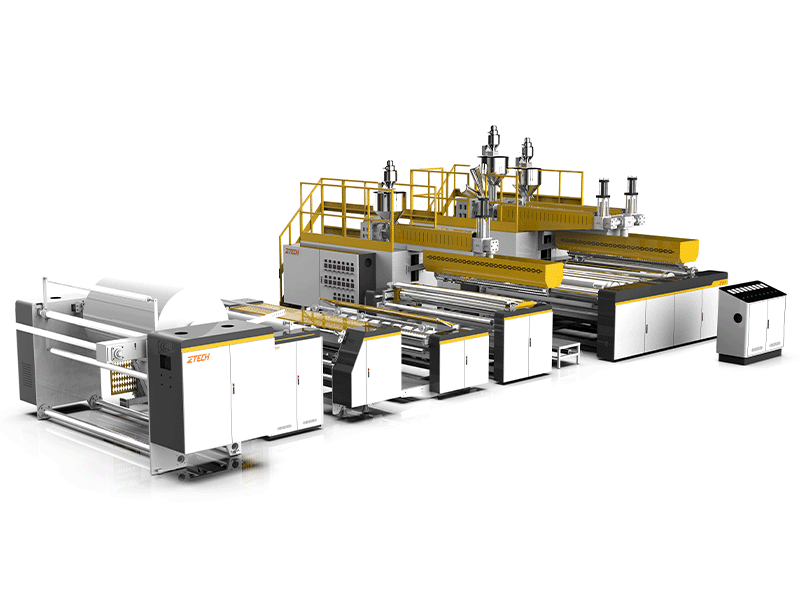
3 layers air bubble film making machine
Gearbox & Transmission
Stable rotation speed is the hardware foundation of a high-quality air bubble film making machine.
Gearbox Lubricating Oil Management: The gearbox is the part of the air bubble film machine where wear is most concentrated. The lubricating oil must be changed and metal shavings removed after the first break-in period. Afterward, depending on the production frequency, change the high-performance extreme pressure gear oil every 2000-3000 hours.
Belt and Chain Tension: A loose drive belt will cause vibration, while an overly tight belt will accelerate motor bearing wear. Regularly adjust the tension to ensure the bubble film machine's smooth operation at high speeds.
Electrical Control System
Modern air bubble film machines integrate numerous PLC and frequency converter control components, making them highly sensitive to environmental conditions.
Electrical Control Cabinet Dust Prevention: Plastic production environments often involve static electricity and dust. Clean the dust filter inside the electrical control cabinet monthly to prevent short circuits or poor heat dissipation caused by dust accumulation, which could lead to frequency converter errors.
Terminal Tightening: Due to minor vibrations during equipment operation, the wiring terminals inside the electrical control box may become loose. Regularly tightening all wiring points can prevent unexpected shutdowns of the air bubble film making machine due to poor contact.
Common Problems and Maintenance Solutions
Even the highest quality air bubble film machines inevitably encounter minor malfunctions during long-term operation. Quickly identifying and repairing these problems can effectively reduce downtime.
Incomplete or Collapsed Bubbles
When bubbles produced by a bubble film machine collapse, first check if the vacuum pump filter is clogged with dust, causing a decrease in suction. Secondly, check the surface of the forming rollers for impurities interfering with bubble sealing.
Decreased Film Transparency
This is usually related to the extrusion temperature setting of the air bubble film machine. If the temperature is too low, the resin will not plasticize properly; if the temperature is too high, it will cause resin decomposition. Additionally, check the flow rate of the cooling circulating water; insufficient cooling can also cause the film to turn white and become opaque.
Uneven Winding
For air bubble film making machines, uneven winding is mostly caused by a malfunctioning magnetic powder brake or drifting tension sensor parameters. Check the alignment of the winding shaft and clean any residual waste material from the slitting blades.
Choosing a Reliable Bubble Film Machine Supplier
Excellent equipment begins with an excellent supplier. Choosing a manufacturer with strong R&D capabilities and comprehensive after-sales service is a shortcut to reducing long-term maintenance difficulties.
Technological R&D and Innovation Capabilities
When selecting an air bubble film machine, examine whether the supplier possesses core patents, such as multi-layer co-extrusion technology. High-quality suppliers utilize a global supply chain and equip their machines with high-end brand electrical components, significantly reducing the difficulty of parts replacement.
After-Sales Support and Spare Parts Supply
A professional bubble film machine supplier not only provides the machine but also detailed maintenance manuals, video tutorials, and remote technical guidance. When complex machine malfunctions occur, the manufacturer's spare parts inventory and dispatch efficiency will directly impact your financial losses.
Machine Energy Efficiency and Automation
Modern air bubble film making machines are increasingly automated. For example, Ztech's fully automatic models feature automatic roll changing and online edge material recycling, reducing manual intervention and maintenance needs due to human error.
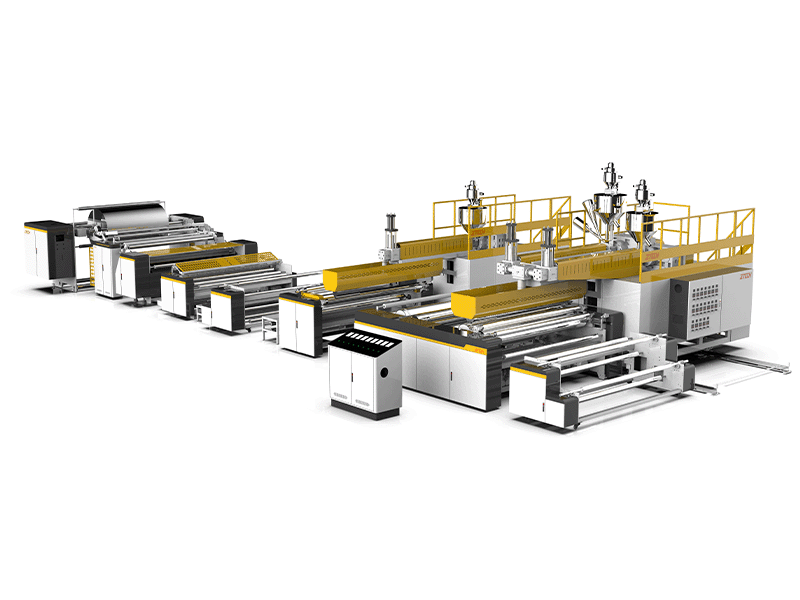
5 layers air bubble film making lamination machine
Conclusion
Maintaining an air bubble film machine is a systematic project requiring comprehensive implementation, from equipment selection and daily inspections to professional maintenance. Scientific management not only extends equipment lifespan but also creates stable production benefits for businesses.
As a leading global packaging machinery expert, Ztech is committed to providing you with the most efficient and durable bubble film machines. If you are looking for a stable and easy-to-maintain air bubble film making machine, Ztech is your ideal partner.
FAQ
Q1: How often should an air bubble film machine be maintained?
A: It is recommended to perform daily basic checks, monthly regular maintenance, and a comprehensive overhaul every 3-6 months.
Q2: What are the key parts of a bubble film machine that require maintenance?
A: Mainly the screw and barrel, forming rollers, heating system, and traction and winding system.
Q3: Why does an air bubble film making machine produce uneven bubbles?
A: This is usually caused by unstable temperature, uneven pressure on the forming rollers, or problems with the raw materials.
Q4: How can I extend the life of a bubble film machine?
A: Regular maintenance, standardized operation, use of high-quality raw materials, and avoid overloading.
Q5: What should be checked before starting an air bubble film machine?
A: Check the power supply, temperature control system, lubrication status, and equipment cleanliness.