
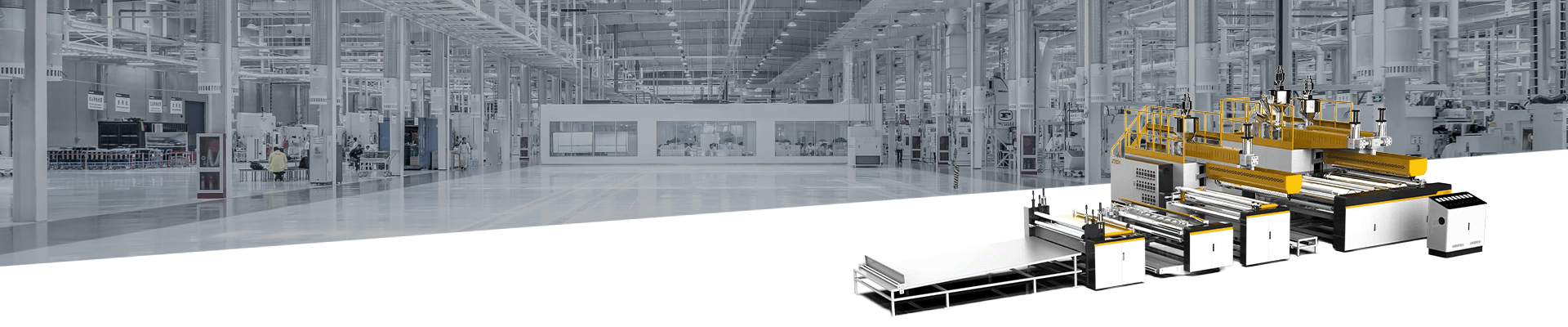
Across the PP bubble-material market, labels such as PP Bubble Sheet, PP Bubble Board, and bubble guard do not always have perfectly fixed boundaries. They can describe related PP bubble constructions, but a name alone does not establish the same material structure or delivery form. A thick PP bubble sheet, an all-PP board, and a board built with additional layers or composite elements are different manufacturing targets.
Start with what the finished product must be. Is the target a thick PP bubble sheet for protective coverage, a 100% PP board direction, or a board construction that includes another layer or composite element? Only after that product decision should thickness, bubble size, drying, and cut delivery be used to choose the right ZTECH equipment discussion.
First, Confirm the Product Construction
The first comparison is not “sheet versus board” as a label. It is the construction that the line must produce.
This is a real construction distinction, not a naming preference. An all-PP board and a board made from two to three plastic-sheet layers combined with short-fibre polyester needle-punched cotton are not the same material route. Neither should be collapsed into a thick PP Bubble Sheet simply because all may be discussed as PP bubble materials.
For a project inquiry, define the product in production terms:
- Is it a thick PP bubble sheet, a 100% PP board, or a board with another layer or composite element?
- What must the product protect, cover, or support in its next use?
- Must it leave the line as a continuous formed sheet, or as dried and cut sheets or boards?
This order keeps the discussion on the product itself. A thickness value without a construction can narrow the machine route, but it cannot define the material direction on its own.
Compare the Two ZTECH Product Routes
| Comparison point | PP Bubble Sheet Machine | PP Bubble Board Machine | What changes the discussion |
|---|---|---|---|
| Finished-product direction | Thick PP bubble sheet. | PP bubble sheets, bubble-guard products, and bubble boards. | Confirm the required construction before treating the product name as decisive. |
| Published machine range | 3–15 mm thickness; 8–25 mm bubble size. | 2–10 mm thickness; 5–20 mm bubble size; 0.5–5 m cut length. | A value carried by only one machine range identifies the first route to discuss. |
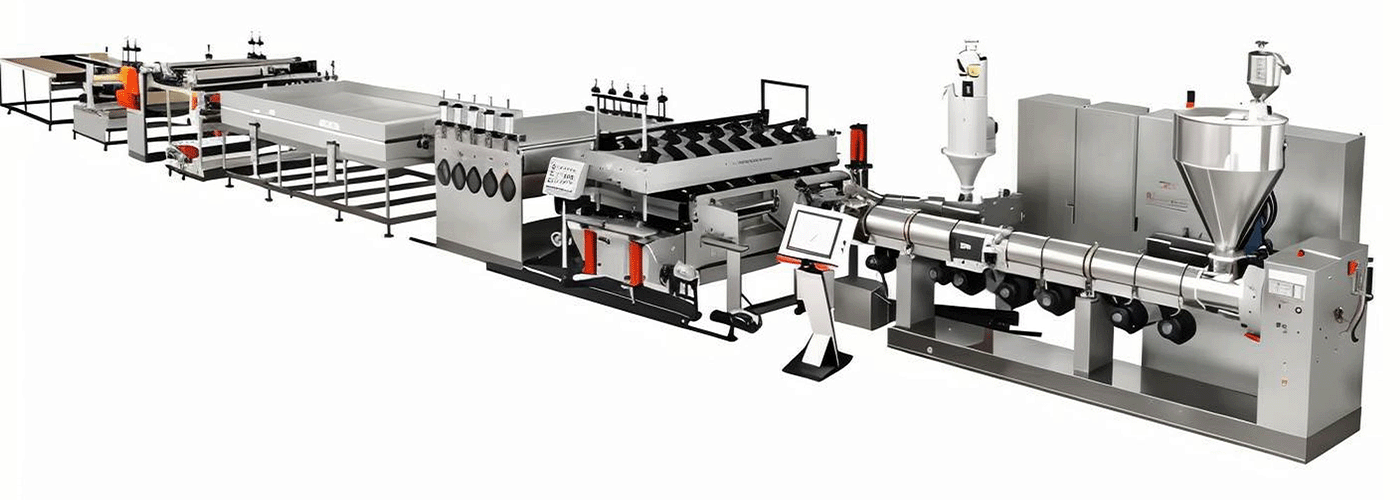
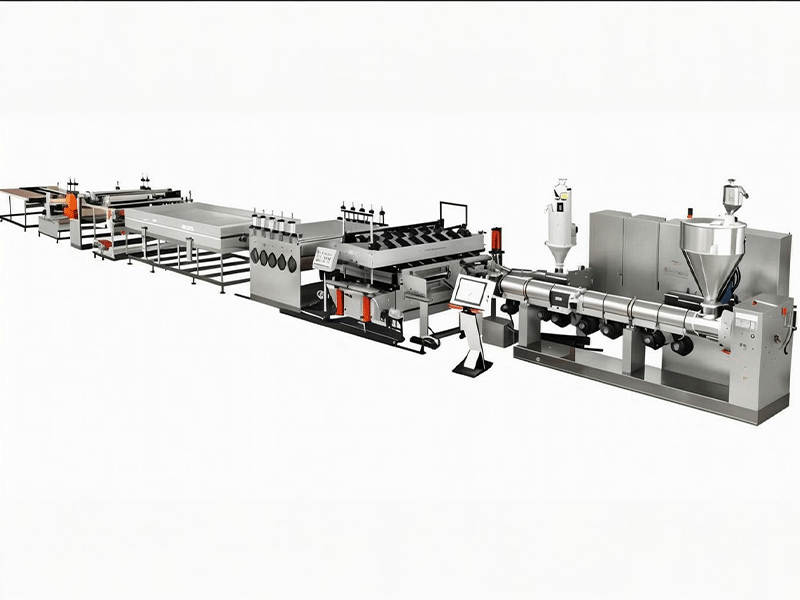
| Forming and post-forming focus | High-low dual T-die, internally cooled bubble roller, and traction for the thick-sheet route. | Three-T-die extrusion, forming, drying, and servo slicing. | The post-forming requirement becomes important where the size ranges overlap. |
| Illustrative product task | Temporary decoration-floor protection. | A product route that includes drying and defined-length cutting. | Start with the protection task and the form in which the product must be delivered. |
These are ZTECH machine ranges and processes, not a universal material classification. They are useful after the construction is clear: they show where a project should begin, rather than proving a final machine or formulation.
Use Range and Delivery Requirements to Choose the First Route
The size ranges create a simple first screen. Below 3 mm thickness or below 8 mm bubble size, the published Bubble Board Machine range covers the requirement while the Sheet Machine range does not. Above 10 mm thickness up to 15 mm, or above 20 mm bubble size up to 25 mm, the published Sheet Machine range covers it while the Board Machine range does not. For example, a 12 mm target begins with the Sheet Machine route; a 2.5 mm target begins with the Board Machine route.
The more important comparison is the overlap: 3–10 mm thickness and 8–20 mm bubble size sit within both machine ranges. In that shared space, size is not enough to select the discussion.
Start with the PP Bubble Sheet Machine when the target is a thick PP bubble sheet whose main job is protective coverage. The relevant production questions are then the target thickness and bubble structure, the item or surface being protected, flatness after cooling, and how the formed sheet will be handled after traction. At ZTECH, temporary decoration-floor covering is one example of this route; it should not be read as a limit on every possible protective use.
Start with the PP Bubble Board Machine when the finished product must pass through drying and be supplied in a defined cut sheet or board format. This route includes extrusion, forming, three to four drying stages at 60–80°C, and servo-driven slicing. Here the key questions are the required board construction, drying and flatness needs, cut length, and what happens after delivery
Some projects combine a protective requirement with cut delivery. In that case, do not choose a route from the word “board” alone. Define the construction first, then give the thickness and bubble target, followed by the drying, cut-length, and downstream requirements. That allows ZTECH to compare the relevant process route without assuming that two similarly named products are equivalent.
Bring a Defined Product Requirement to ZTECH
As a line-configuration partner, our job in this comparison is to turn the finished-product requirement into the production questions that affect the route. For a thick Bubble Sheet, we focus on material distribution, bubble forming, cooling, traction, and the required protective coverage. For a Bubble Board, we focus on the required construction, forming, drying, and the cut format needed downstream.
The most useful starting information is:
- A sample, drawing, or concise description of the target product construction.
- The object or surface to be protected, together with the intended use.
- Target thickness, bubble size, and any material or composite-layer requirement.
- Whether drying, flatness control, and a fixed cut length are required before delivery.
- The expected output and any downstream converting, storage, packaging, or use requirement.
This is enough to start a specific equipment conversation. It keeps the decision tied to the product the line must make, not to a broad preference for the term “sheet” or “board.”
Conclusion: Match the Product Before the Machine Name
PP Bubble Sheet and PP Bubble Board are connected product directions, yet their finished-product construction and delivery requirements can be different. Confirm that construction first. Then use the current machine ranges to identify an obvious starting route; in the shared range, use the protection task and post-forming delivery requirement to make the distinction.
Discuss Your PP Bubble Product Requirement With ZTECH
Send ZTECH the target construction, sample or drawing, protection use, thickness and bubble-size target, required delivery form, and downstream requirements. We can then discuss the appropriate production route and the configuration questions for the project.
FAQ
Are PP Bubble Sheet and PP Bubble Board Interchangeable?
No. They are related PP bubble-material directions, but a name overlap does not establish the same construction or the same delivery requirement. Start with the finished product that must be made.
Which Route Should I Start With for a 12 mm PP Bubble Product?
Start with the PP Bubble Sheet Machine discussion. Its published thickness range is 3–15 mm, while the Board Machine range is 2–10 mm. The final configuration still depends on the target construction and project conditions.
Can This Article Select the Final Machine or Material Construction?
No. It identifies the right first product route. The final machine discussion needs the actual product construction, dimensions, delivery requirement, and downstream conditions.