
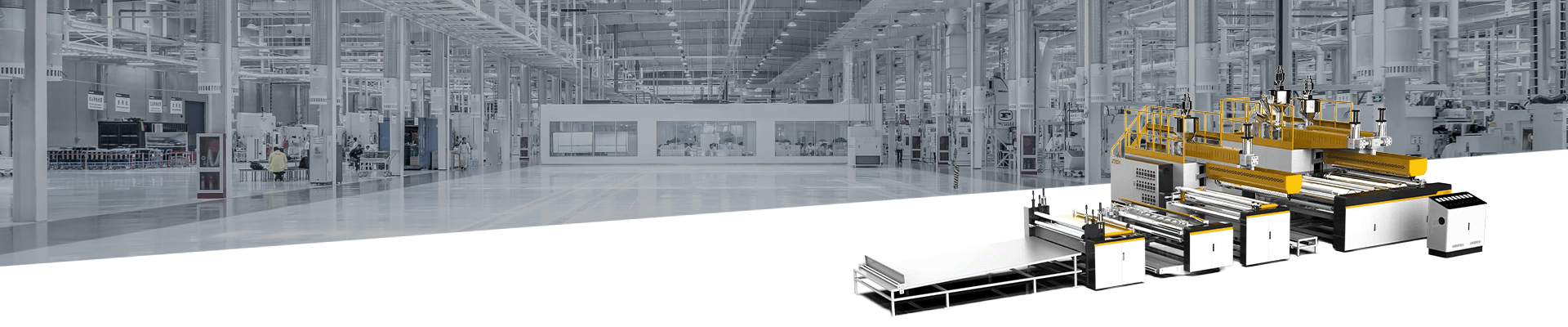
In the modern logistics industry, with the rapid development of e-commerce, manufacturing, and cross-border trade, large-scale logistics systems are placing higher demands on packaging efficiency and product protection. Especially in scenarios involving high-frequency shipments and long-distance transportation, packaging materials must not only possess excellent cushioning properties but also meet the needs of large-scale, automated production.
Against this backdrop, bubble film making machines have gradually become core equipment in logistics packaging systems. By stably and efficiently producing bubble film, these machines not only improve overall packaging efficiency but also play a crucial role in reducing costs and enhancing product safety.
This article will analyze the application value of bubble film machines in large-scale logistics from multiple perspectives and help companies understand why investing in air bubble film making machines is a strategic decision with long-term returns.
The Growing Demand for Protective Packaging in Large-scale Logistics
The complexity of the logistics environment demands that packaging materials possess stronger compression resistance and cushioning capabilities. This has prompted companies to place higher demands on the output quality and efficiency of bubble film machines.
The driving force of e-commerce and cross-border trade
In today's consumer environment, the transportation routes of parcels have become exceptionally complex. A single item may require multiple sorting, transshipment, and transport over thousands of kilometers by land or air. In this high-impact environment, ordinary cardboard boxes are insufficient to protect fragile items. Bubble film making machines produce bubble wrap that provides multi-layered cushioning protection, effectively reducing breakage rates.
The need for standardization and customization in logistics packaging
Large logistics nodes require targeted protection solutions for goods of different sizes and weights. With their own bubble film machines, companies can adjust the size of the bubbles, the width of the film, and the number of layers according to actual needs. This flexibility is unmatched by traditional finished product procurement, ensuring that every item receives "just the right" protection, avoiding over-packaging or under-packaging.
The pressure of environmental protection and sustainable development
The modern logistics industry is committed to reducing carbon emissions. By using advanced air bubble film making machines, companies can use thinner yet stronger environmentally friendly materials and reduce waste during production through an online scrap recycling system. This not only aligns with the global trend of green logistics but also earns companies a positive social reputation.
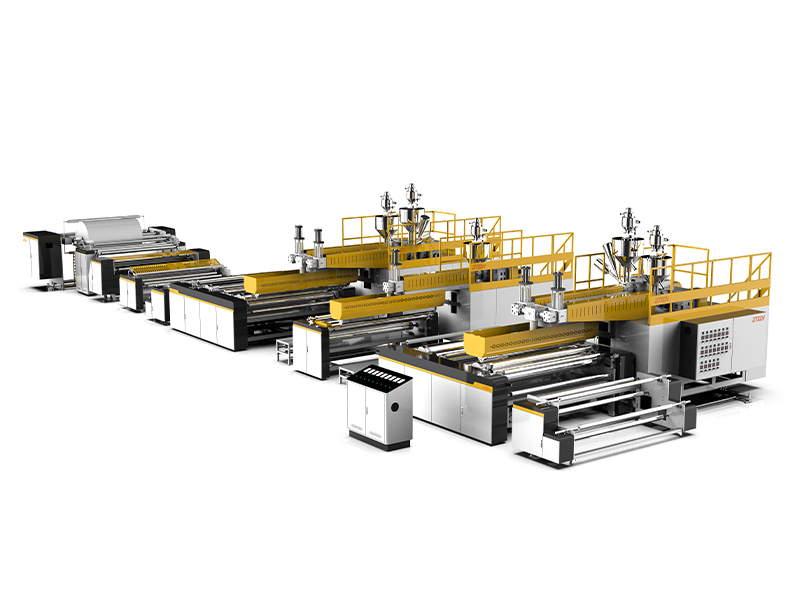
air bubble film for large-scale logistics
How Bubble Film Making Machines Improve Logistics Efficiency
Bubble film making machines significantly shorten the lead time for packaging materials and ensure the continuity of logistics operations through highly automated production processes, extremely fast film output speeds, and intelligent control systems.
High-Speed Continuous Production Ensures Supply
In large-scale logistics operations, shortages of packaging materials can cause the entire sorting line to shut down. Professional air bubble film making machines possess extremely high extrusion capacity and forming speed, enabling 24-hour uninterrupted production. This means that logistics centers can produce sufficient bubble film in real time based on the day's order volume without waiting for supplier deliveries.
Automated Integration and Intelligent Control
Modern bubble film machines are typically equipped with a PLC touchscreen control system, allowing operators to easily set production parameters.
Automatic roll changing and cutting: Reduces manual intervention time and improves roll material production efficiency.
Precise temperature control: Ensures uniform film thickness, reducing packaging waste rates caused by uneven quality.
Simultaneous Lamination: Some high-end equipment supports online lamination of kraft paper or aluminum foil, forming a single process for direct use in specialized logistics packaging.
Reduced Warehousing and Secondary Transportation
Purchasing finished bubble wrap directly results in significant warehouse space requirements due to its large volume, and transporting the bubble wrap itself is a waste of resources. By installing bubble film making machines, companies only need to store raw materials, which are only a fraction of the volume of the finished product. This "produce-as-you-go" model greatly unlocks the warehousing potential of logistics centers and optimizes internal workflow efficiency.
Cost Reduction Benefits of Bubble Film Machines in Logistics
Bubble film machines offer significant returns on investment for large-scale logistics companies by reducing raw material procurement costs, optimizing labor input, and minimizing transportation losses.
Advantages in Raw Material Procurement Costs
Directly purchasing plastic pellets and using an air bubble film making machine for production results in a significantly lower cost per square meter compared to purchasing ready-made bubble film rolls. In large-scale logistics applications, annual demand is typically in the millions of square meters, making the accumulated profit margin from this price difference substantial.
Optimization of Energy Consumption and Waste Recycling
Advanced bubble film making machines are designed with energy efficiency in mind.
Energy-saving motors and heating systems: Compared to older equipment, modern models can save approximately 20%-30% on electricity consumption.
Online recycling system: Scrap materials generated during production can be immediately shredded and reused in the extruder. This closed-loop utilization model achieves near-zero waste of raw materials.
Reduced Labor Costs
With the maturity of automation technology, operating a complex bubble film machine often requires only 1-2 trained technicians. From automated feeding and alignment to automated winding, highly intelligent equipment has replaced a significant amount of repetitive manual labor, allowing logistics companies to allocate human resources to core delivery and customer service aspects.
Reduced Costs for Damaged Goods
Poor-quality packaging is a major cause of logistics claims. Our proprietary air bubble film making machine ensures that the produced bubbles are full, well-sealed, and leak-proof. This high-quality protection significantly reduces insurance rates and customer complaint costs, a hidden asset that enhances the long-term profitability of logistics companies.
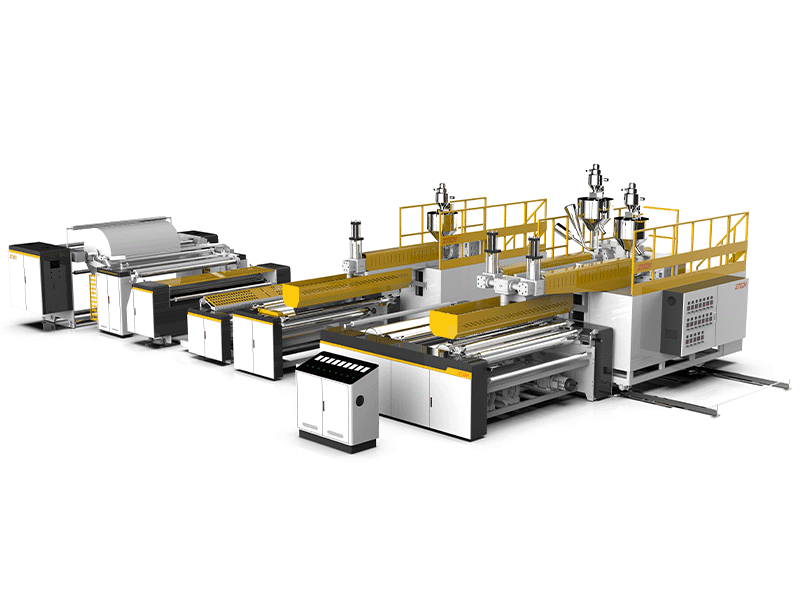
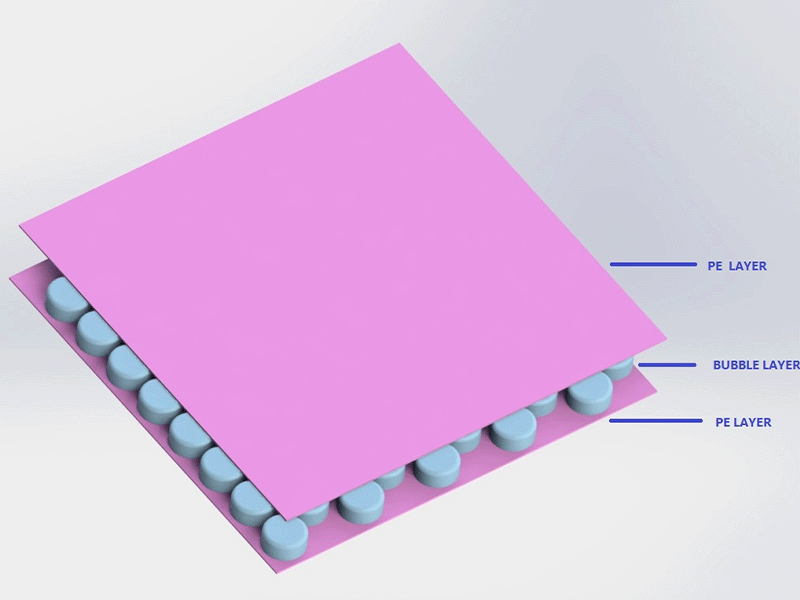
3 layers air bubble film making machine
Enhancing Packaging Quality with Air Bubble Film Machines
High-performance air bubble film making machines enable companies to produce packaging products with greater toughness, puncture resistance, and sustained air pressure resistance, providing a robust "air armor" for valuable goods.
Application of Multi-Layer Composite Technology
In large-scale industrial logistics, single-layer bubble film often fails to meet stringent protection requirements. Using multi-layer co-extrusion bubble film making machines, the following can be produced:
3-Layer Bubble Film: Flat film on both sides of the bubble layer, providing double-sided protection.
5-Layer/7-Layer Bubble Film: Combines antistatic or barrier layers, specifically designed for the ocean transport of electronic components or high-value chemical products.
Precision Control of Bubble Structure
The diameter (typically from 6mm to 30mm) and height of the bubbles determine the cushioning effect. High-quality bubble film machines use precision-machined forming rollers to ensure that each bubble is of uniform size and tightly packed. This structural uniformity allows pressure to be evenly distributed when goods are under pressure, effectively preventing damage caused by localized compression.
Adaptable to Diverse Packaging Forms
In addition to standard roll materials, air bubble film making machines can be equipped with bag-making machines or in-line die-cutting. This allows logistics companies to produce bubble bags, bubble sheets, or specially shaped cushioning pads to meet the personalized packaging needs of various product sizes, from cosmetics to automotive parts.
Conclusion
Bubble film making machines have become an indispensable key piece of equipment in large-scale logistics systems. They not only improve packaging efficiency but also play a significant role in reducing costs and enhancing product protection.
Among numerous equipment suppliers, Ztech's air bubble film making machine, with its stable performance, mature technology, and high-efficiency production capacity, meets the automation and scale requirements of modern logistics companies. For companies looking to enhance their competitiveness, choosing the right bubble film machine is a crucial step towards efficient logistics.
FAQ
Q1: What is a bubble film making machine?
A: A bubble film making machine is a device used to produce bubble film. Through extrusion and molding processes, it transforms raw materials into packaging materials with cushioning properties.
Q2: Why should logistics companies invest in a bubble film machine?
A: Using a bubble film machine allows for in-house production of packaging materials, thereby reducing costs, increasing efficiency, and decreasing reliance on external supply chains.
Q3: How does an air bubble film making machine improve packaging quality?
A: An air bubble film making machine ensures uniform bubble size and structural stability, thus enhancing the packaging's impact resistance.
Q4: Is bubble film production suitable for large-scale logistics?
A: Yes, bubble film making machines support continuous production and are ideal for large-scale logistics scenarios.