How to Choose the Right Bubble Wrap Machine for Your Production
Learn how to choose the right bubble wrap machine for your production with practical guidance on layers, output, materials, factory requirements, ROI, and supplier support.
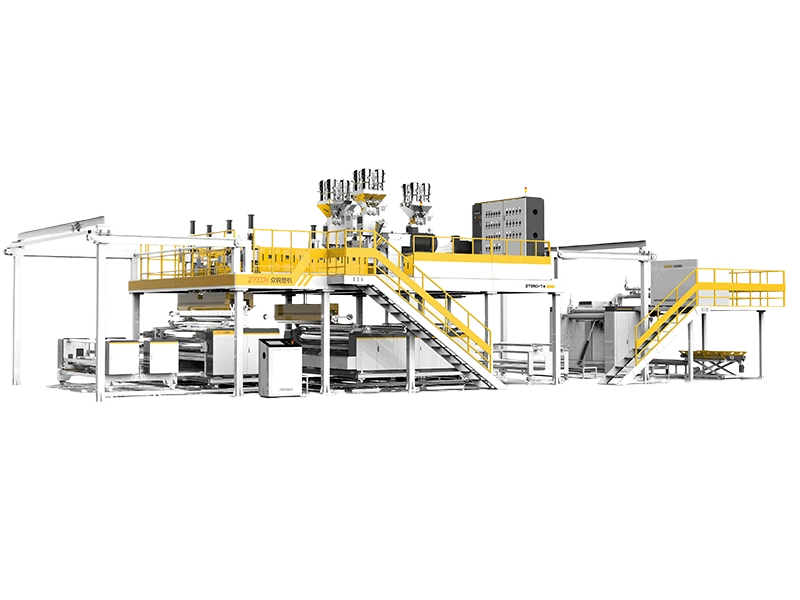

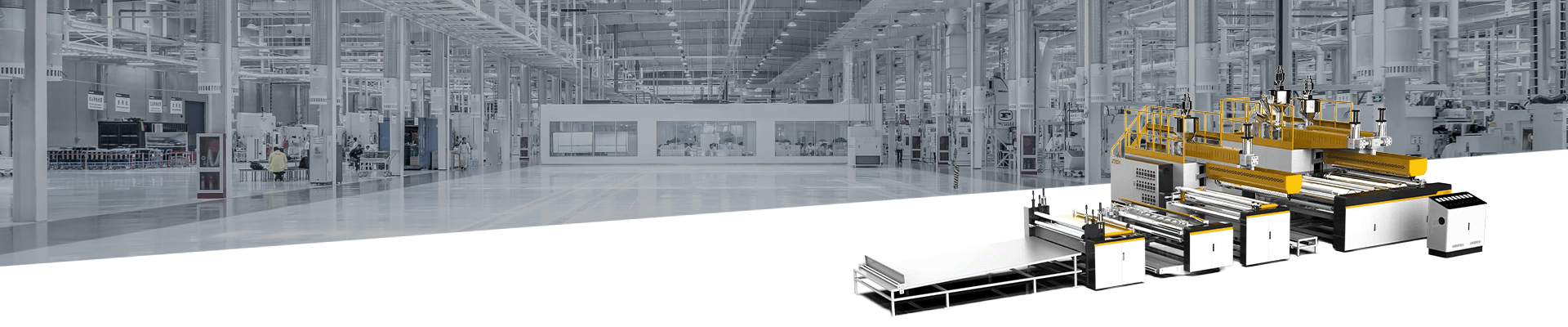
Explore the production process, film structures and equipment decisions behind air bubble film machinery. These resources help packaging producers, engineers and equipment buyers define the film they want to make, understand line configurations and prepare practical acceptance requirements.
ZTECH’s equipment range includes 2-layer and 3-layer PE lines, 5-layer and 7-layer lamination, ABA coextrusion and nylon coextrusion. Start with the guides below, then use the related equipment links when your material, width, bubble geometry and target output are clear.
Learn how to choose the right bubble wrap machine for your production with practical guidance on layers, output, materials, factory requirements, ROI, and supplier support.
Learn how to calculate bubble film machine output in kg/h, rolls/day and tons/month, with practical formulas, efficiency factors and capacity test tips.
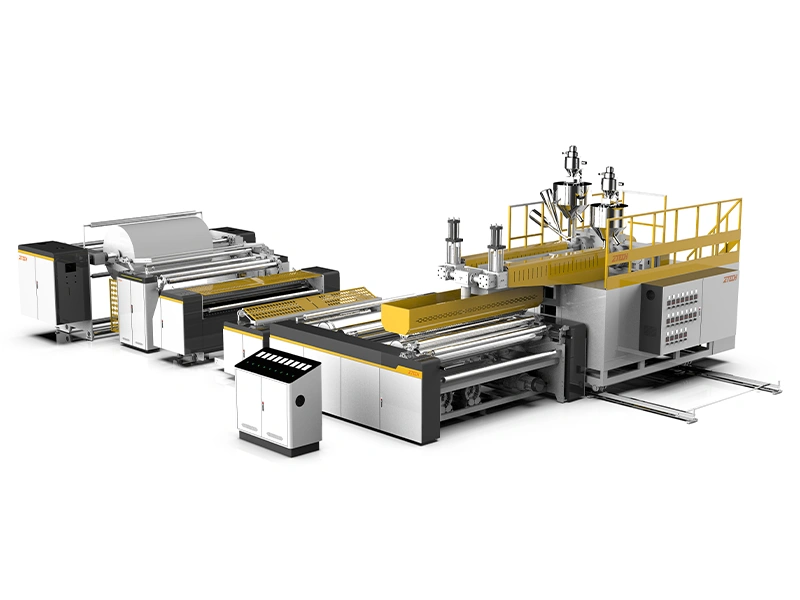
Learn how to measure bubble wrap thickness, diagnose uneven film, and tune extrusion, vacuum forming, cooling, lamination and winding for consistent industrial packaging.
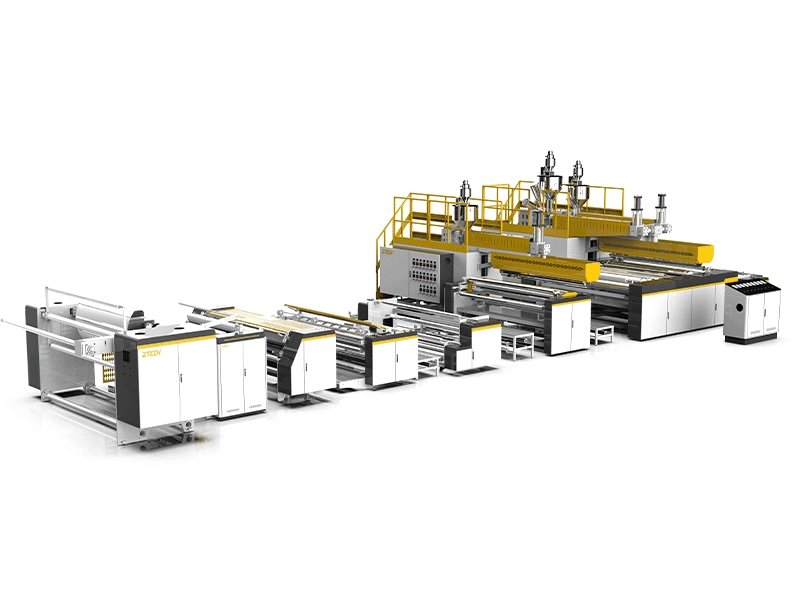
Choose the right industrial bubble wrap machine width by matching finished rolls, trim allowance, winding and downstream converting to reduce waste.
Verify saleable output, film quality, winding, safety and documents before shipment with this practical air bubble film machine FAT checklist.
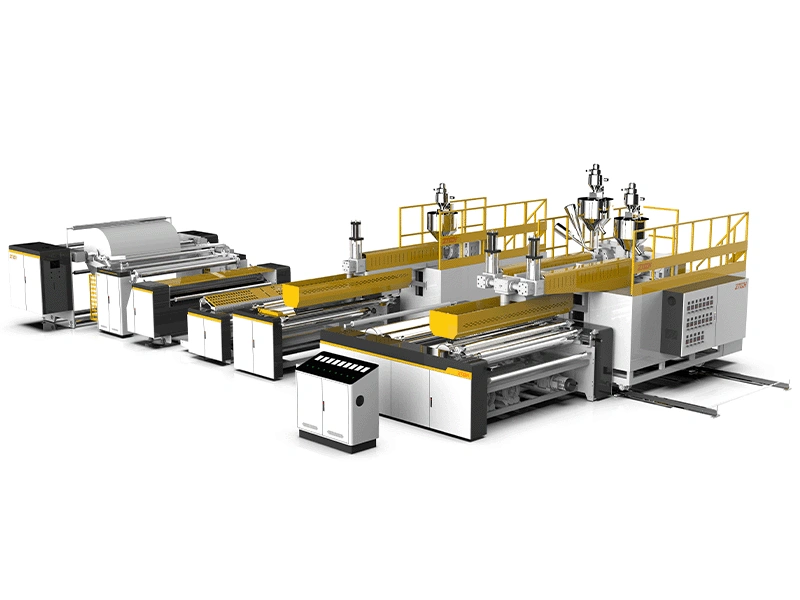
Plan an air bubble film machine layout for safe access, utilities, roll handling and future expansion. Use this checklist before installation.
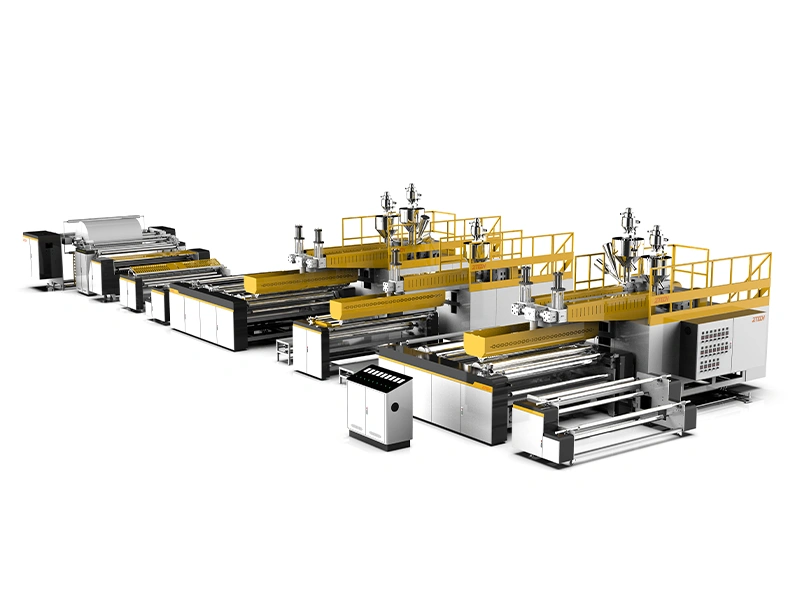
Plan a bubble wrap making machine and production line around materials, film structure, output, winding, utilities and measurable acceptance requirements.
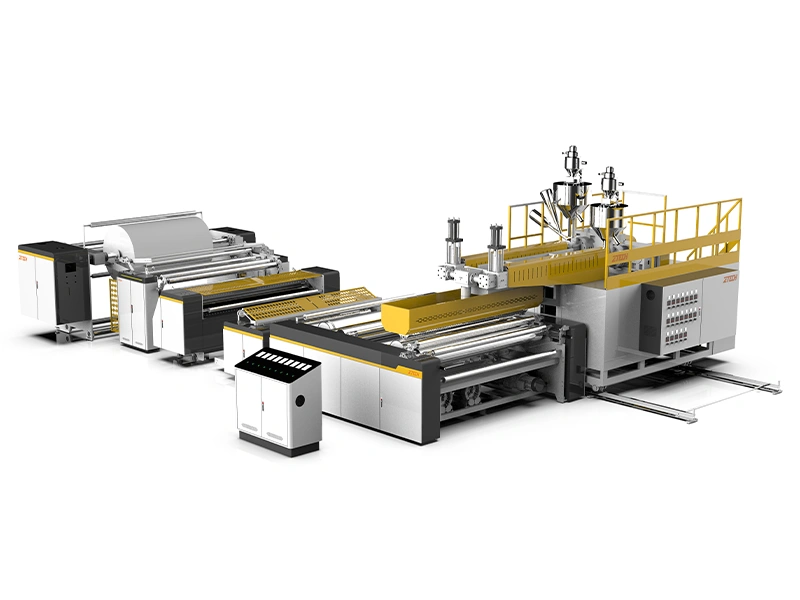
The content explains the key differences between 2-layer and 3-layer air bubble film machines in terms of structure, cost, performance, and applications, highlighting that 2-layer machines are ideal for cost-effective, basic packaging needs, while 3-layer machines offer enhanced protection, durability, and versatility for high-end and specialized packaging markets.
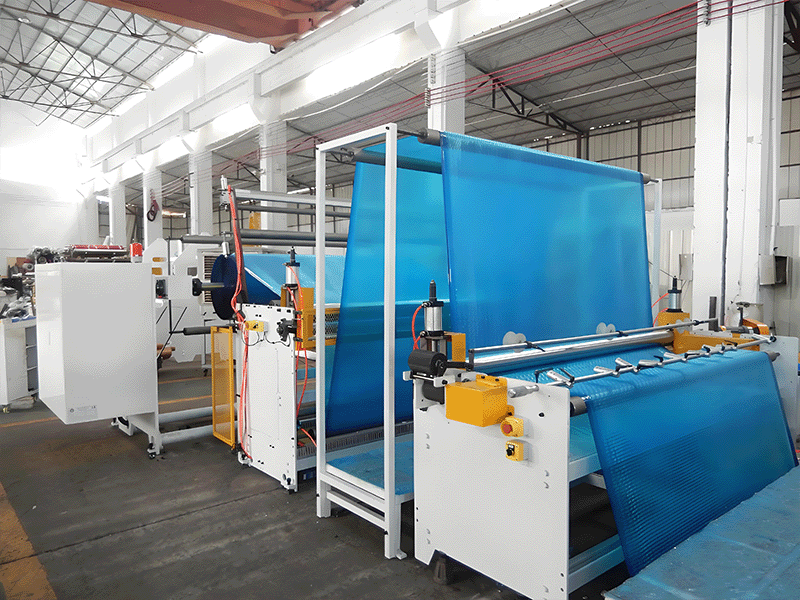
Effective maintenance of an air bubble film making machine involves a systematic approach to cleaning, lubricating, and monitoring key systems like the extrusion screw and forming rollers to prevent downtime and ensure high-quality output.
FROM GUIDES TO EQUIPMENT
When your film structure, working width and output target are clear, move from technical reading to comparing the available production line options.
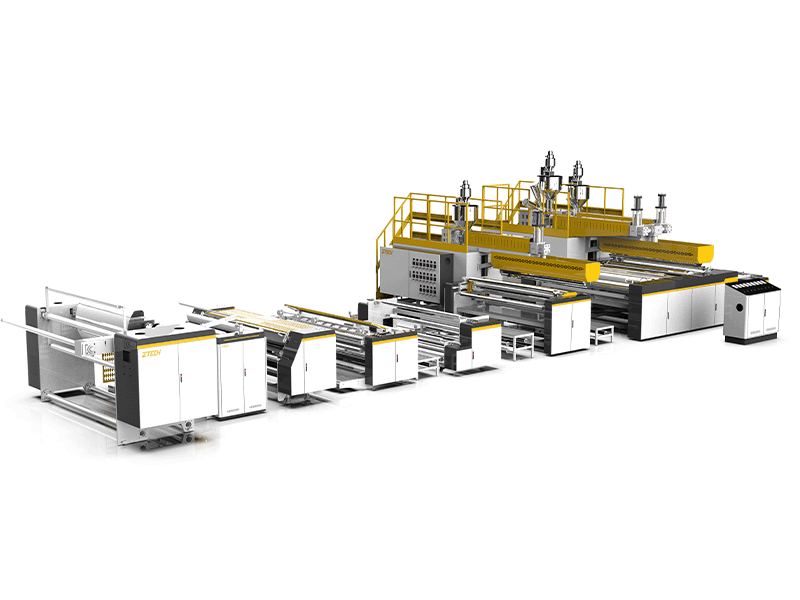
Compare PE, lamination and coextrusion line options on the ZTECH product category page.
View MachinesThe line melts and extrudes resin into film webs. Vacuum forming creates the bubble profile, which is bonded to a flat base web, cooled and wound.
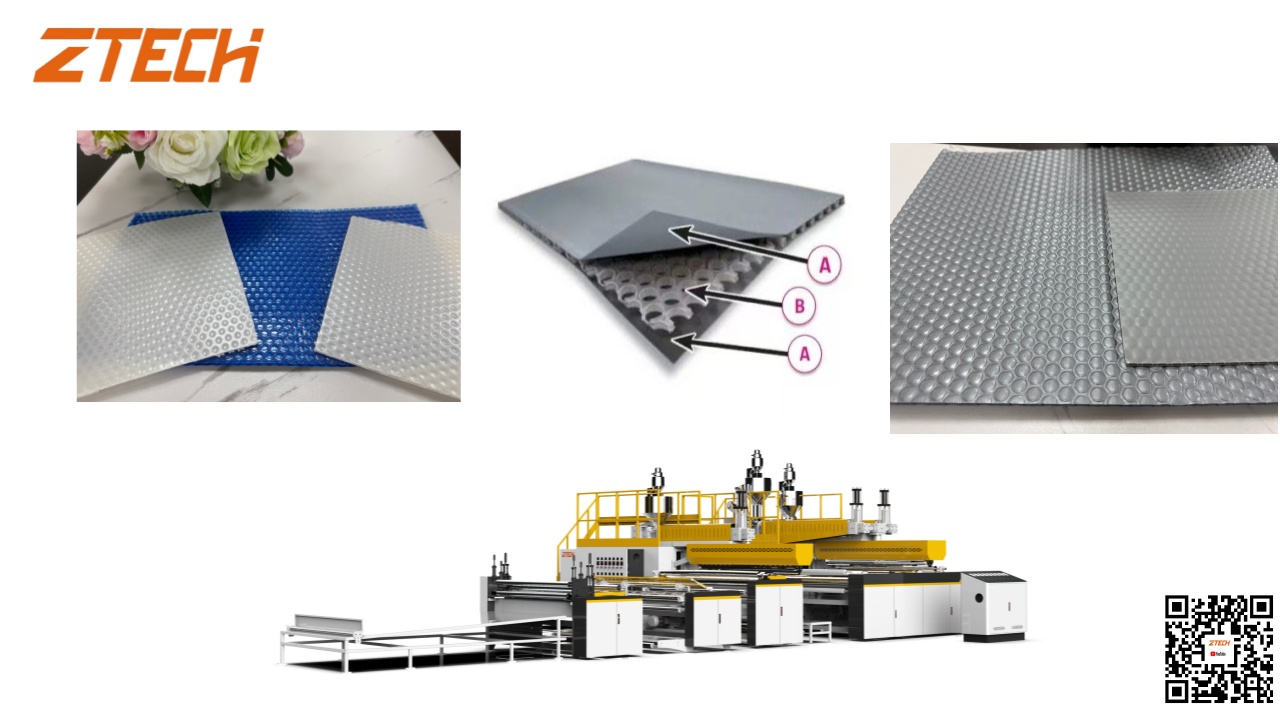
Two-layer film consists of a bubble layer and a flat base layer. Three-layer film adds another flat layer and allows separate control of the layer formulations.
Consider lamination when the finished product combines bubble film with facing materials rather than PE film alone. Define the material sequence and bonding requirements first.
ABA uses PE with PP or HDPE in the coextruded structure. Nylon configurations add tie and nylon layers for barrier requirements.
Compare qualified kg/h under an agreed film specification, including working width, GSM or basis weight, structure, stable operating speed and quality yield.
Recycled material may be considered in selected formulations. Its source, cleanliness and melt consistency can change forming and bonding behavior.
Choose optional functions based on finished-roll and post-processing requirements. Confirm in the proposal which functions are included with the line.
Prepare the application, film structure, raw materials, usable width, GSM or thickness target, bubble dimensions, qualified output and finished-roll format.
Have a film structure or line requirement to discuss?
Submit Your Production Requirement